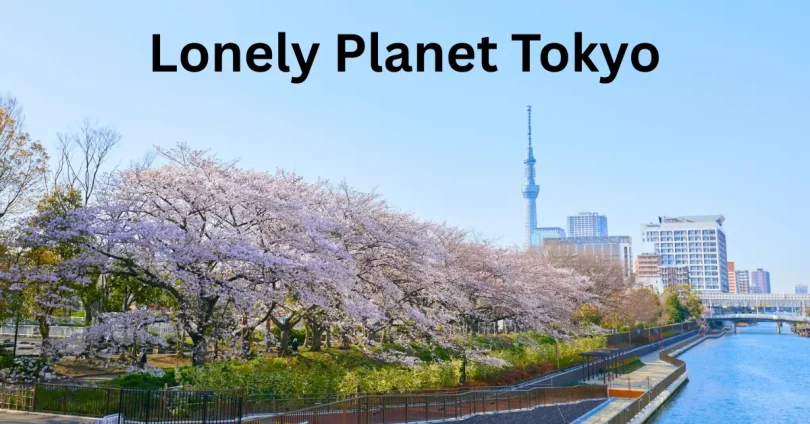

Tokyo is a city of contrasts. From the blinding neon glow of Akihabara to the timeless wooden alleys of Yanaka, it is both future and past, speed and stillness, tradition and reinvention.
To understand Tokyo, you don’t just visit—you immerse yourself in its neighborhoods, food, and rhythms. This guide, inspired by Lonely Planet Tokyo, will help you see the city not as a checklist of attractions but as a living, breathing experience.
Tokyo Through the Lonely Planet Lens
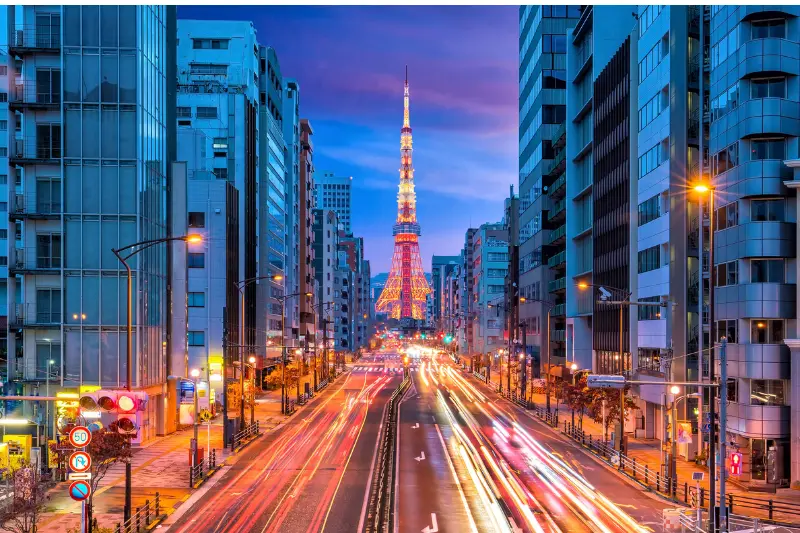
Cristian Bonetto, a writer for Lonely Planet Tokyo, describes the city as “a rich tapestry of diverse neighborhoods.” And that’s exactly what makes this megacity so unique — you can move from the chaos of Shibuya Crossing to the quiet steps of a hidden shrine within just a few minutes.
Tokyo isn’t just about landmarks — it’s about layers. Each district reveals a personality: the playful energy of Akihabara, the nostalgic charm of Yanaka, the luxury of Ginza, and the bohemian vibes of Shimokitazawa. Together, they make Tokyo feel less like one city and more like a hundred worlds stitched together.
Why Tokyo Demands a Deeper Look
Tokyo has an energy that’s difficult to define. It reinvents itself daily, while still holding on to centuries-old traditions. You’ll see young trendsetters dressed in avant-garde fashion sipping matcha tea in centuries-old tea houses. You’ll pass by skyscrapers only to stumble upon a small wooden shrine hidden between them.
When to Visit
- Spring (March–April): Cherry blossoms transform Tokyo into a pink wonderland. Parks like Ueno and Yoyogi become picnic spots filled with families and friends.
- Autumn (October–November): Crisp weather and stunning autumn leaves, especially around Meiji Shrine and Rikugien Garden.
- Winter (December–February): Bright illuminations light up the city. It’s also ramen season, when hot bowls feel even more comforting.
- Summer (July–August): Hot, humid, and rainy — but packed with fireworks festivals and lively outdoor events.
Pro Tip: Don’t try to “see it all.” Tokyo is enormous, and rushing through it will only overwhelm you. Instead, pick 2–3 neighborhoods per day, wander slowly, and let the city reveal itself.
Don’t miss reading it:
Lonely Planet Vietnam – Your Ultimate 2025 Travel Guide
Lonely Planet New Zealand – Travel and Food Guide 2025
Lonely Planet Portugal – Travel & Food Adventures
Two Sides of Tokyo: Akihabara & Yanaka
Akihabara – The City of Electric Dreams
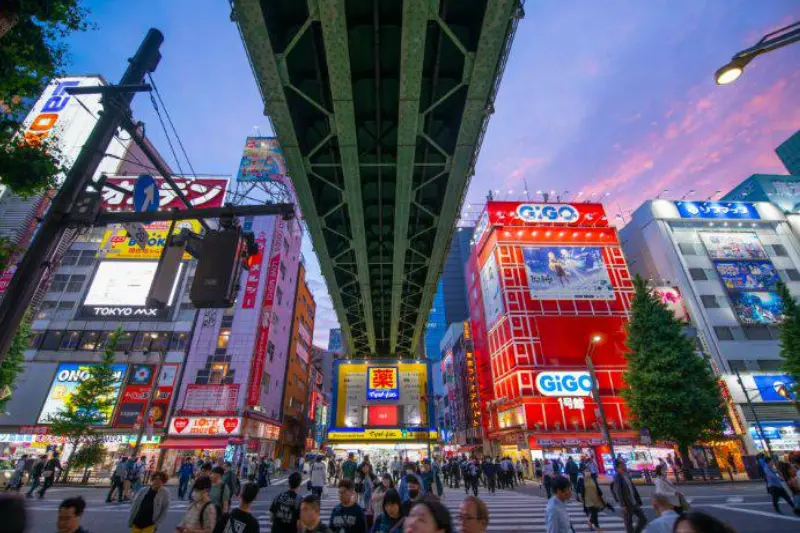
Akihabara, often called “Electric Town,” is Tokyo’s mecca for anime, manga, gaming, and electronics. Here, skyscraper stores overflow with gadgets, and arcades are filled with flashing lights, claw machines, and the sounds of retro gaming consoles.
- Otaku Culture: Fans of anime and manga will feel right at home among themed cafés, figurine shops, and rare collectible stores. Even if you’re not a fan, the sheer energy is worth experiencing.
- Maid Cafés: Quirky cafés where waitresses dressed in maid costumes perform playful skits while serving food. It’s equal parts entertainment and hospitality.
- Gachapon Heaven: Capsule toy machines line the streets, with endless tiny collectibles to surprise you.
- Night Glow: Visit at dusk when the neon signs and billboards light up the sky. It feels like stepping into a cyberpunk movie scene.
Yanaka – A Glimpse of Old Tokyo
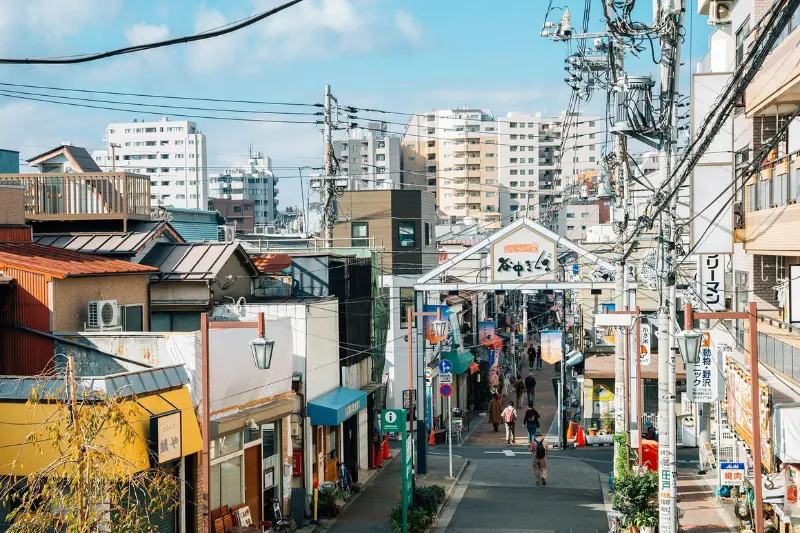
Yanaka is the antidote to Akihabara’s buzz. Known as one of Tokyo’s most traditional neighborhoods, it survived the bombings of World War II, which makes it a rare pocket of “Old Tokyo.”
- Yanaka Ginza Street: A charming shopping street with family-owned stores, handmade crafts, and delicious street snacks like croquettes and taiyaki (fish-shaped cakes).
- Historic Temples: Over 70 small temples are scattered here, each with serene gardens and wooden gates that whisper stories of centuries past.
- Art & Creativity: Visit small galleries like Gallery Okubo, where artists showcase traditional and contemporary works.
- Slow Living: Unlike other districts, Yanaka feels unhurried. Locals stroll, greet one another, and invite you to slow down too.
Walking through Yanaka feels like reading Tokyo’s forgotten diary — a reminder that the city has roots as deep as its ambitions.
Tokyo Foods – A Feast for Every Traveler
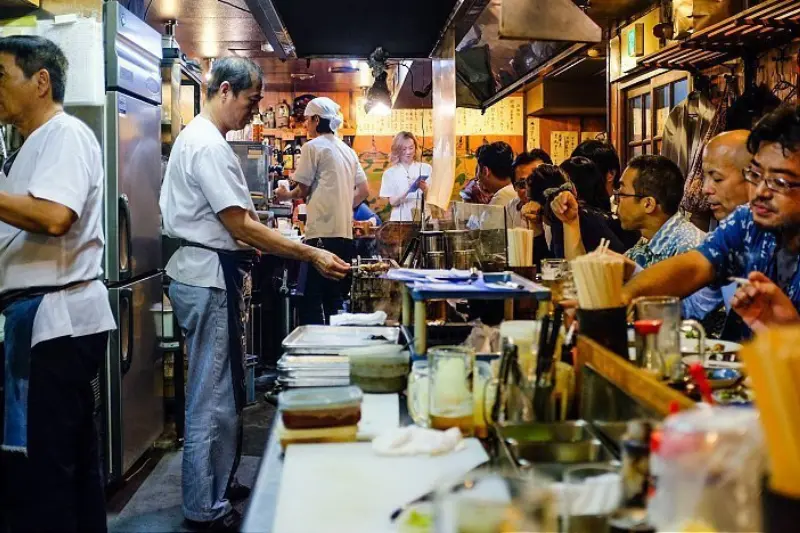
Tokyo is not just Japan’s capital; it’s the world’s ultimate food city. With more Michelin stars than Paris and an endless variety of street eats, every meal here is an adventure. Here’s how to taste Tokyo like a local:
1. Sushi & Sashimi
Tokyo is the birthplace of Edomae sushi, which emphasizes fresh fish and perfectly seasoned rice.
- Try high-end sushi counters where chefs prepare each piece before your eyes.
- For casual experiences, conveyor-belt sushi (kaitenzushi) restaurants serve affordable, fun meals.
- Must-try: Fatty tuna, uni (sea urchin), and seasonal white fish.
2. Ramen
No two bowls of ramen are alike in Tokyo.
- Shinjuku: Home to rich tonkotsu and shoyu ramen shops.
- Ikebukuro: Known for hearty miso ramen.
- Shibuya: Trendy shops experiment with modern twists.
- Must-try: Spicy miso ramen on a chilly night.
3. Tempura
Crispy, golden, and light — tempura in Tokyo is an art.
- Specialty restaurants fry shrimp, vegetables, and fish to perfection, serving them fresh from the pan.
- Pair with rice, miso soup, and green tea for a balanced meal.
4. Street Snacks
Tokyo’s streets are as delicious as its restaurants.
- Taiyaki: Sweet fish-shaped cakes filled with red bean or custard.
- Yakitori: Grilled chicken skewers sold in smoky stalls.
- Melon Pan: Sweet, fluffy bread with a crisp crust.
5. Izakaya Dining
For a true Tokyo night, step into an izakaya — casual pubs where locals relax after work.
- Order small plates like karaage (fried chicken), sashimi, and gyoza, paired with sake or beer.
- The atmosphere is lively, friendly, and uniquely Tokyo.
6. Modern Dining
Tokyo also embraces the future of food. From robot restaurants to themed cafés (think ninja or Pokémon), dining here often feels like part theater, part meal.
Pro Tip: Even convenience stores (konbini) like 7-Eleven and Lawson sell surprisingly delicious bentos, rice balls, and desserts. Don’t underestimate them!
You may also like it:
Lonely Planet Copenhagen 2025 Travel & Food Guide
10 Best Cities to Visit in Europe for Foodies in 2025
Lonely Planet Crete | Travel and Gastronomy Guide 2025
Sample Itinerary: 3 Days in Tokyo
| Day | Focus | Highlights |
| Day 1 – The Classics | Temples & Icons | Start at Asakusa’s Senso-ji Temple, stroll Nakamise Street for souvenirs, then head to Tokyo Skytree for skyline views. |
| Day 2 – Modern Energy | Akihabara & Shibuya | Explore anime shops and arcades in Akihabara, then move to Shibuya to cross the famous scramble and shop. |
| Day 3 – Old & New Blend | Yanaka & Food Hunt | Wander Yanaka’s alleys, explore temples, then end with a food adventure — sushi for lunch, izakaya for dinner. |
Tips for Traveling Smart in Tokyo
- Transport: The subway is the easiest way around. Get a Suica or Pasmo card to skip ticket lines.
- Cash vs. Cards: Big stores take cards, but small shops and shrines prefer cash.
- Etiquette: Don’t talk loudly on trains, and always remove your shoes when entering homes or some traditional restaurants.
- Safety: Tokyo is one of the safest cities in the world, but always keep valuables close in busy areas.
- Seasonal Must-Dos: Hanami picnics in spring, fireworks festivals in summer, autumn leaf walks in fall, and winter illuminations.
Final Thought
Tokyo is a city that never stops surprising you. One moment you’re staring up at neon skyscrapers in Akihabara, the next you’re quietly sipping green tea in Yanaka. Its food alone could keep you coming back, from sushi that melts in your mouth to ramen that warms your soul.
Lonely Planet Tokyo reminds us that this city isn’t just a destination — it’s a journey through time, taste, and imagination. Come with an open mind, wander its neighborhoods, and let Tokyo tell you its story.
FAQs: Lonely Planet Tokyo
1. What is the best time to visit Tokyo?
The best months are spring (March–April) for cherry blossoms and autumn (October–November) for mild weather and vibrant fall colors. Winter is also enjoyable for illuminations, while summer can be hot, humid, and rainy.
2. How many days should I spend in Tokyo?
Ideally, 3–5 days to explore key neighborhoods like Akihabara, Shibuya, Yanaka, Asakusa, and Ginza, while leaving time for food adventures and hidden gems.
3. Which neighborhoods are a must-visit?
Akihabara: Neon lights, anime, and electronics.
Yanaka: Traditional streets, temples, and small galleries.
Shibuya & Shinjuku: Modern cityscape and nightlife.
Asakusa: Temples and historic charm.
4. Is Tokyo safe for tourists?
Yes, Tokyo is one of the safest cities in the world. Standard precautions like keeping your belongings secure and being mindful in crowded areas are sufficient.
5. What foods should I try in Tokyo?
Sushi & sashimi – fresh and seasonal.
Ramen – each district offers unique styles.
Tempura – crispy and delicate.
Street snacks – taiyaki, yakitori, melon pan.
Izakaya dishes – small plates paired with sake or beer.
How do I get around Tokyo?
Tokyo’s subway and train network is extensive. A prepaid IC card (Suica or Pasmo) makes travel easier. Walking is also recommended for exploring neighborhoods.