New Zealand is a place where nature and gastronomy entwine: where glaciers melt into tranquil lakes, coastlines host thriving seafood ecosystems, and Māori culture shapes both the land and the table.
If you want to travel New Zealand with your senses wide open—seeing, tasting, smelling, and engaging—Lonely Planet New Zealand is the guidebook that brings the experience alive.
It’s designed for explorers who love flavor as much as fjords, who want more than photo ops—they want the stories behind every bite, every vista.
What Sets Lonely Planet New Zealand Apart

- Culinary Storytelling meets exploration: Rather than isolating food as one chapter, the guide weaves culinary experiences into every region and itinerary. You’re as likely to read about dining in vineyards as discovering hidden berry farms in mountain passes.
- Authenticity & depth: It doesn’t just list dishes—it explores Māori food traditions, sustainable fishing practices, and how New Zealand’s unique climate shapes flavor.
- Practical food-focused tools: Menus, price expectations, reservation advice, and dietary options are all covered. Whether vegan, gluten-free, or a full carnivore, the guide helps you plan for every preference.
Regions & Their Flavor Profiles
Here’s a deeper, region-by-region map of what to eat, where to dine, and how food and travel combine beautifully:
| Region | Key Food & Drink Experiences | Notable Travel Spots & Context |
| Auckland & Northland | Sea-to-table seafood (especially snapper, blue cod), fusion cafés combining Pacific and Asian flavors, local craft breweries. | Ferry trips to islands, coastal walks, beachside markets. |
| Bay of Islands | Hearty seafood platters; scallops and especially oysters; tropical fruit markets; locally caught kai moana (seafood). | Whaling history, sailing cruises, sunrise viewpoints. |
| Rotorua & Central Plateau | Māori hangi feasts (earth-oven cooking), geothermal steamed bread or buns, wild mushrooms, honey from high-country bees. | Geysers, hot springs, forest walks, cultural villages. |
| Wellington | Coffee culture, boutique chocolate shops, food truck meal scenes, seafood chowder by the sea, excellent wine bars. | Cable car views, creative arts, museums, waterfront promenades. |
| Marlborough & Nelson | Sauvignon Blanc vineyards, cellar-door tastings, fresh mussels, artisanal cheeses, berry farms. | Coastal drives, wine trails, artisan craft shops. |
| West Coast & Southern Alps | Whitebait fritters, freshly caught trout, wild deer and venison dishes, alpine cheeses. | Glacier walks, rainforest trails, rugged coastlines. |
| Queenstown & Central Otago | Pinot noir vineyards, fine dining under mountain skies, game meats, local lamb, rooftop bars. | Adventure sports, lake cruises, scenic hikes and drives. |
| Christchurch & Canterbury | Modern café culture, fusion cuisine, rural farm-to-table experiences, seasonal harvest festivals. | Rebuilt city architecture, gardens, wildlife reserves. |
| Otago Peninsula & Southland | Bluff oysters, Southern scallops, rich cream and buttered produce, wild meats, and trout. | Wildlife (albatross, penguins), coastal scenery, islands tours. |
You may also like it:
Lonely Planet – Your Go-To Guide for Travel and Food Lovers
Lonely Planet Japan 2025 – Best Tips for Modern Travelers
Lonely Planet Portugal – Travel & Food Adventures
Free Things to Do in Rome – Food Markets & Budget Food Tips
Insider Itineraries that Marry Travel + Taste
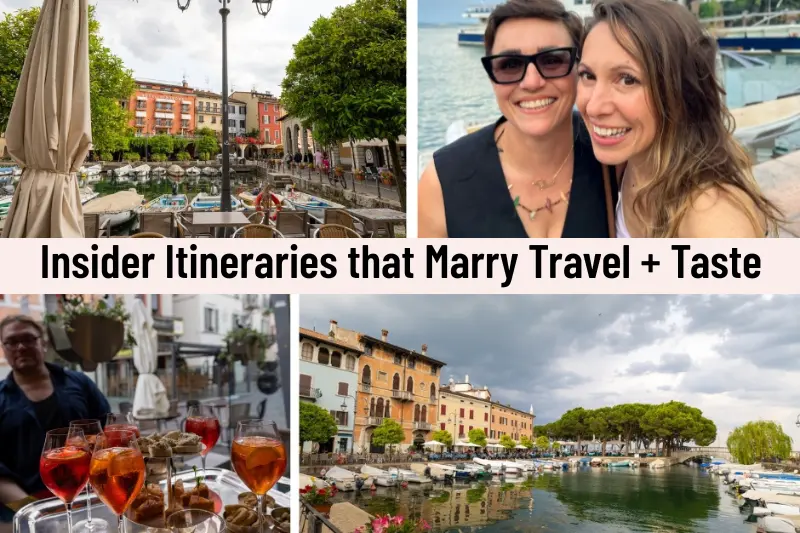
These sample journeys illustrate how to plan routes that balance adventure, culture, and cuisine:
North Island Flavor Trail (8–10 days)
Auckland → Bay of Islands → Rotorua → Taupō → Wellington. Highlights:
- Morning coffee and craft brews in Auckland followed by seafood lunch in Northland.
- Rotorua’s geothermal baths, evening hangi feast with Māori hosts.
- Taupō lake views, trout-fishing riverside meals.
- Wellington street-food crawl and tasting wines in Wairarapa region just outside the city.
South Island Food & Wine Adventure (10–12 days)
Nelson → West Coast → Queenstown → Fiordland → Southland. Highlights:
- Fresh harvest produce and local cheeses in Nelson.
- Seafood and foraged wild foods on the remote West Coast.
- Wine tastings in Central Otago, fine dining lakeside.
- Fiordland cruises with onboard local food, wild salmon or trout.
- Bluff oysters at the southernmost tip, simple plates with dramatic views.
2025 Travel & Food-Relevant Updates
To plan smartly in 2025, here are the latest changes and trends that affect both travel and food lovers:
Visitor levels & seasonality
Tourism is steadily recovering, with international visitor numbers rising toward pre-pandemic peaks. Because of that, certain popular food-related spots—famous vineyards, prime seafood towns—are more crowded during peak times (e.g. summer months in the South Island). Booking ahead for restaurants, tours, and lodgings is more crucial than before.
New food-centric festivals & events
Several regional food festivals have revived or newly launched in 2025. These include seafood festivals, wine harvest celebrations, and Māori food-culture events. These festivals offer unique tasting opportunities with local producers.
Sustainability & ethical food sourcing focus
There’s growing public and regulatory pressure for sustainable fishing, ethical farming, and reducing food waste. Many restaurants are emphasizing local, seasonal menus; fish vendors are more transparent; beef and dairy producers are adopting regenerative practices. Travelers interested in food should seek places that highlight origin, seasonality, and ethical sourcing.
Access & visa/entry policy tweaks
Some streamlining for remote workers or longer-stay visitors can impact travel planning—more time on the road may allow deeper culinary exploration (more time in wine regions, farms). Freedom camping or self-drive journeys, common ways to reach remote food spots, require checking vehicle standards (self-containment) and local rules.
Practical Food & Travel Tips
- Plan your route around harvest seasons: e.g. wine harvest in autumn (March-May) in Central Otago and Marlborough.
- Try to include food markets and small-town producers—local cheeses, honey, shellfish are often freshest there.
- When dining Māori style, respect protocols and be open to the cultural storytelling that often accompanies meals.
- Carry snacks for remote hikes or drives; sometimes the most scenic trails don’t have cafes nearby.
- Taste with awareness—seafood, for example, is amazing, but check for freshness, hygiene, and sustainability.
FAQs
Q: When is the best time to visit New Zealand for both landscapes and food?
A: Late summer to early autumn (February through April) is ideal. Landscapes are still lush, vineyards are harvesting, seafood is fresh, and the weather is often mild.
Q: Are food tours or cooking experiences easy to book?
A: Yes, but in peak season and in popular regions like Marlborough, Queenstown or Rotorua, they fill up fast. Use Lonely Planet’s recommendations and book ahead.
Q: Can I find vegan / vegetarian / special-diet options?
A: Definitely. Many cafés and restaurants in urban and tourist areas offer good options. Rural and remote spots may be more limited—carry what you need and plan ahead.
Q: Is food expensive in New Zealand?
A: It varies. Fresh seafood, artisan items, and vineyard meals tend to cost more. Simple cafés and markets are more affordable. Dining during off-peak times or outside major tourist hubs helps reduce costs.
Conclusion
If your idea of travel includes tasting the place as much as seeing it, Lonely Planet New Zealand is the map you need. It guides you through dramatic landscapes, vibrant cities, and deeply rooted food cultures—showing not only where to go but what to eat, when and why.
In 2025 the landscape of travel and food in New Zealand is richer than ever: improved access, deeper sustainability, revived festivals, but also greater demand for quality and authenticity.
Let this guide help you craft a journey where every forkful, every sunset, every trail feels intentional and alive. New Zealand isn’t just to be visited—it’s to be tasted, breathed, and remembered.