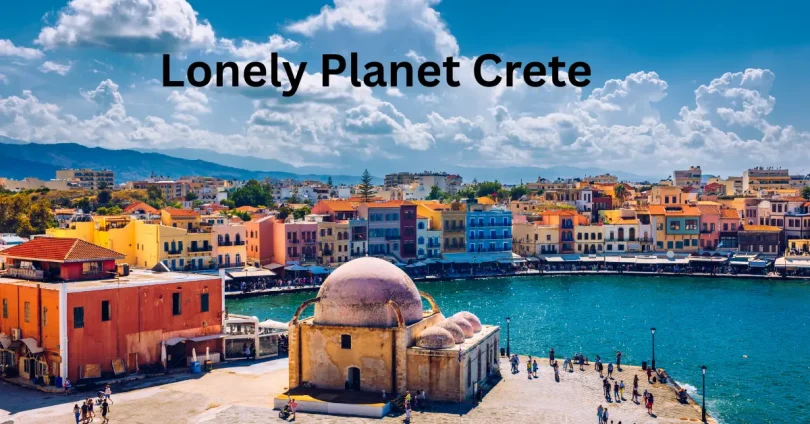

When planning a trip to Greece, many travelers instantly think of Athens’ iconic Acropolis, the blue-domed churches of Santorini, or the lively beaches of Mykonos. But if you want a destination that combines breathtaking nature, rich history, authentic culture, and world-class cuisine, Lonely Planet Crete points you to the perfect choice.
As Greece’s largest island, Crete is more like a small country than just another holiday spot. With a population of around 650,000, it stretches across the southern edge of the Aegean Sea, bordered by the Sea of Crete to the north and the Libyan Sea to the south. It’s no wonder nearly 5 million travelers visit Crete each year, making it one of the most popular Mediterranean destinations.
What makes Crete truly unique is the seamless way it connects travel and food experiences. Here, you can wander through the ruins of the Palace of Knossos in the morning, trek through the Samaria Gorge in the afternoon, and end your day with a Cretan feast of fresh seafood, cheeses, and local wine under the stars. Guided by Lonely Planet, Crete reveals itself not just as a destination but as an unforgettable journey of flavors and landscapes.
Crete’s Unique Charm – Why Visit?

Crete is a land of contrasts. On one side, you have pristine beaches like Balos and Elafonisi with waters that seem painted by an artist. On the other, you find rugged mountain ranges like Mount Ida, believed to be the birthplace of Zeus.
Add to that vibrant cities like Heraklion and Chania, sleepy fishing villages, and ancient ruins dating back to Europe’s first advanced civilization—the Minoans—and you get a destination that has it all.
But Crete is also a paradise for food lovers like Wanda Hutchins. The island’s cuisine is rooted in the Mediterranean diet, often described as one of the healthiest in the world. Fresh vegetables, local cheeses, olive oil, seafood, herbs, and homemade bread dominate every meal. Here, food is not just about eating—it’s about celebrating life.
Must-Visit Cities and Attractions (with Food Stop`s)
Heraklion – The Cultural Capital
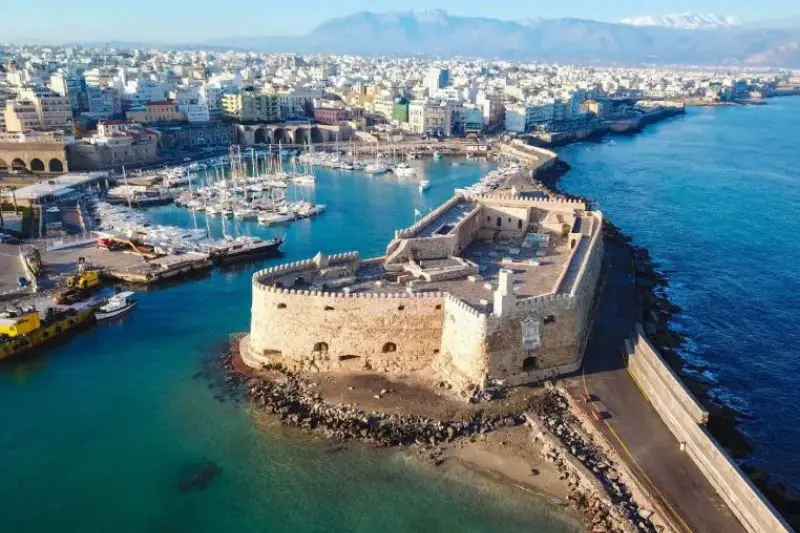
Your journey often begins in Heraklion, Crete’s capital. The city is bustling, modern, yet rich with Venetian architecture and archaeological treasures. The Heraklion Archaeological Museum is a must-visit, showcasing artifacts from the Minoan civilization.
What to eat in Heraklion:
Try dakos, a traditional Cretan dish made with barley rusks topped with chopped tomatoes, feta or mizithra cheese, olive oil, and oregano. Pair it with a glass of Cretan white wine for the perfect start to your trip.
Knossos – Stepping Back in Time
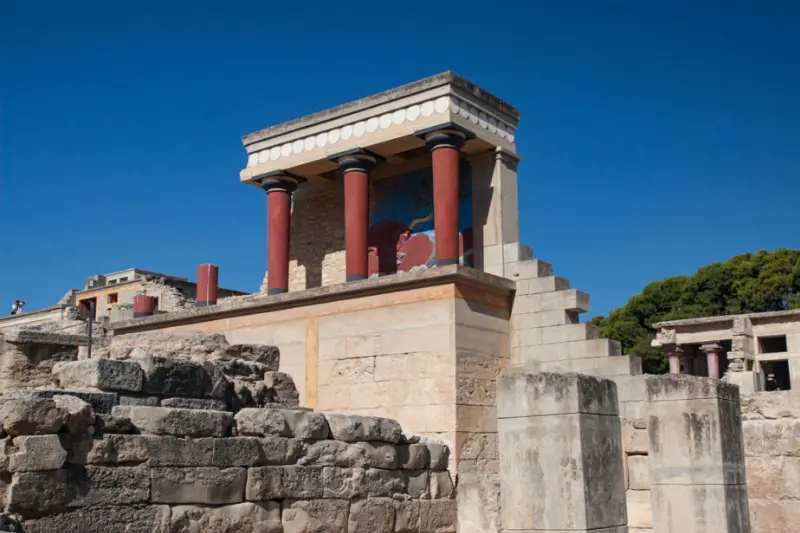
Just a short trip from Heraklion lies the Palace of Knossos, the legendary home of King Minos and the Minotaur. Walking through its ancient corridors feels like stepping into Greek mythology.
What to eat nearby:
Indulge in a warm slice of bougatsa, a flaky pastry filled with custard or cheese, often enjoyed with strong Greek coffee.
You may also like it:
Lonely Planet – Your Go-To Guide for Travel and Food Lovers
Lonely Planet Japan 2025 – Best Tips for Modern Travelers
Lonely Planet Vietnam – Your Ultimate 2025 Travel Guide
Lonely Planet New Zealand – Travel and Food Guide 2025
Rethymno – Venetian Charm
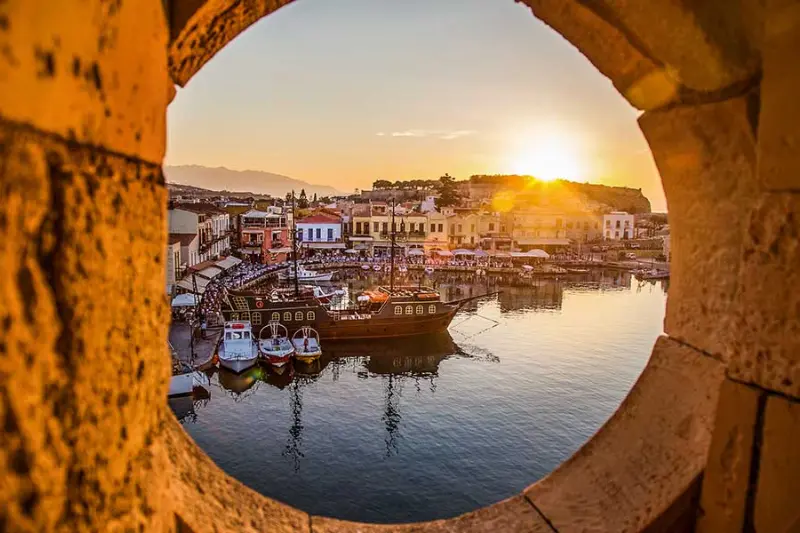
Rethymno offers a romantic mix of Ottoman and Venetian influences. Its narrow streets and picturesque harbor make it one of Crete’s most charming towns.
Food highlight:
This is the place to enjoy fresh seafood, especially grilled fish and calamari, in a waterfront taverna. Don’t miss trying rakomelo, a traditional blend of raki (tsikoudia) with honey and spices.
Lake Kournas – Tranquil Escape
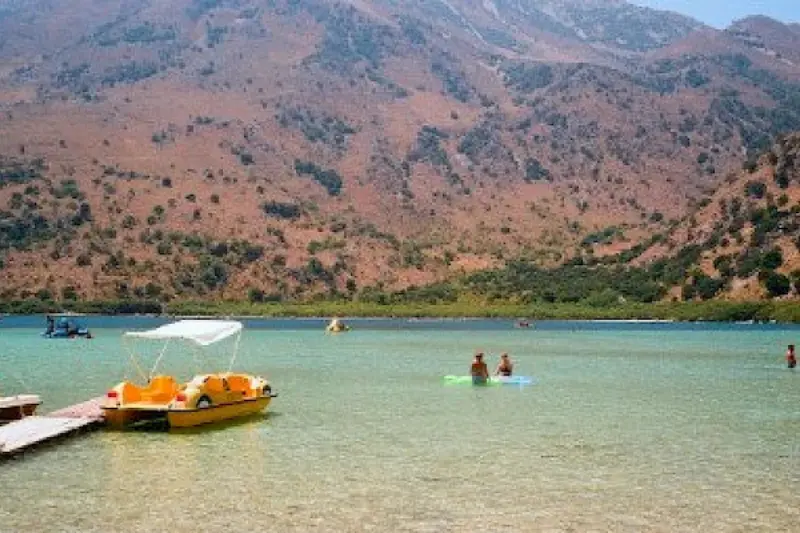
Nestled between rolling hills, Lake Kournas is Crete’s only freshwater lake. It’s a peaceful spot for kayaking or a leisurely walk.
Food tip:
Bring along a picnic of graviera cheese, olives, and thyme honey, or sample local tavernas serving home-style dishes made with lake fish.
Chania – A Culinary Gem
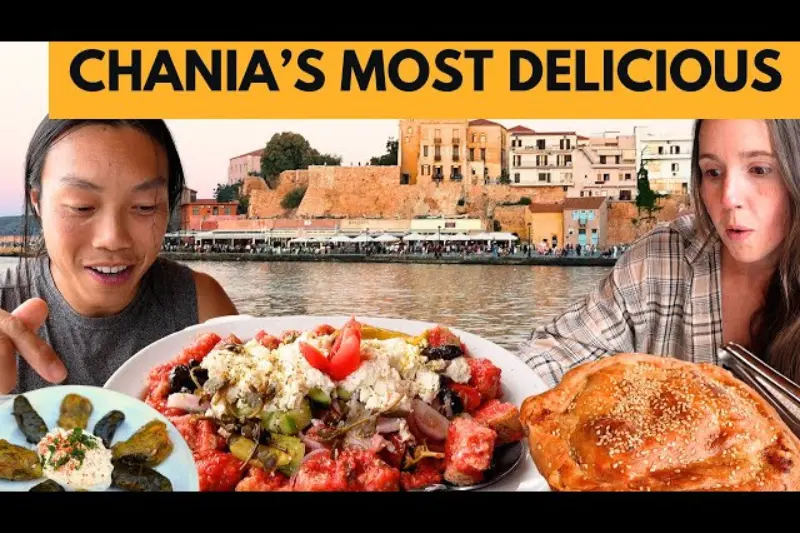
Many say Chania is the prettiest city in Crete, with its colorful Venetian harbor and lively old town. But foodies flock here for its markets and tavernas.
What to try in Chania:
Visit the market to taste kalitsounia, small hand-made pies filled with cheese and herbs. And don’t leave without sampling extra-virgin Cretan olive oil, considered among the best in the world.
Balos Beach & Elafonisi – Paradise Shores
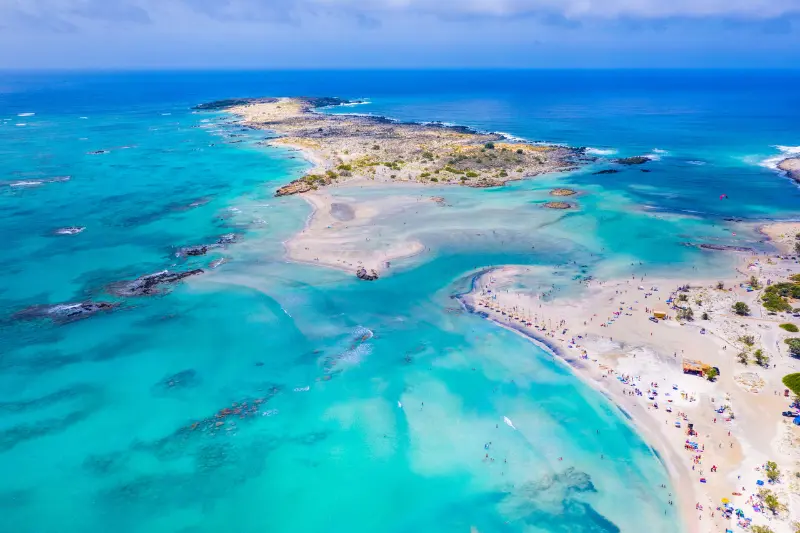
Crete’s beaches are famous for their beauty. Balos Lagoon dazzles with turquoise waters, while Elafonisi Beach is known for its pink sands.
Food to savor:
After a beach day, cool off with Greek yogurt topped with thyme honey and walnuts, or fresh seasonal fruits like figs and grapes.
Samaria Gorge – Nature’s Masterpiece
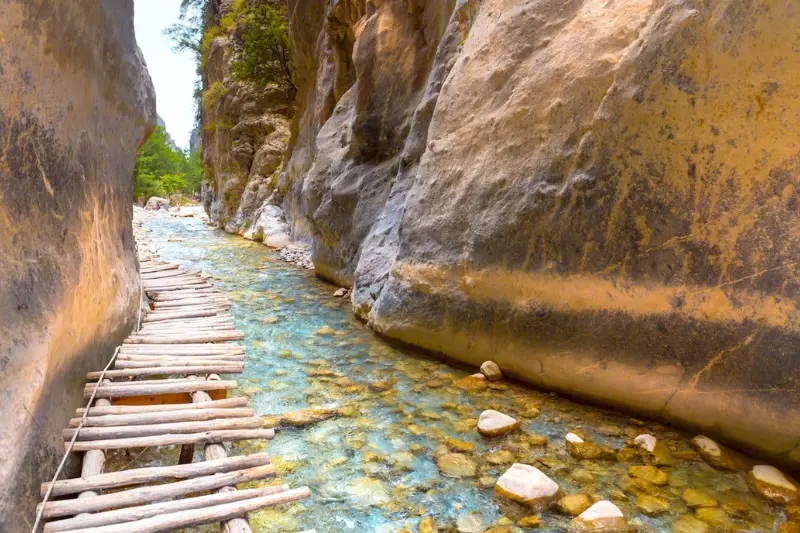
The Samaria Gorge, stretching 16 kilometers, is one of Europe’s most famous hikes. It’s a challenging trek but worth it for the dramatic landscapes.
Food tip:
Reward yourself afterward with souvlaki (grilled meat skewers) or staka, a rich dish made from Cretan goat’s milk butter and flour, found in local mountain taverns.
Plakias & Preveli Beach – Relaxed Vibes
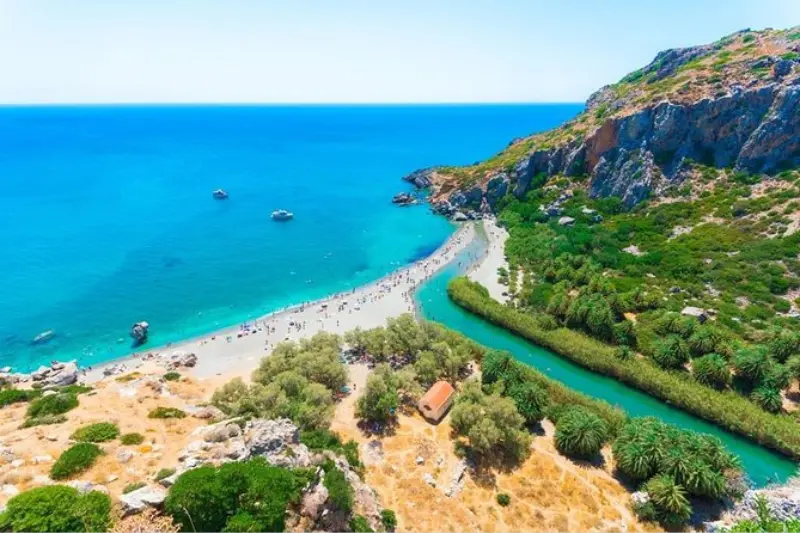
The southern coast’s laid-back charm shines in Plakias. Nearby Preveli Beach, lined with palm trees and a river cutting through the sand, feels like paradise.
What to drink:
Here, it’s all about sipping tsikoudia (Cretan raki), served with meze—small plates of fried snails, cheese, and grilled vegetables.
Mount Ida (Psiloritis) – Myth and Mountains
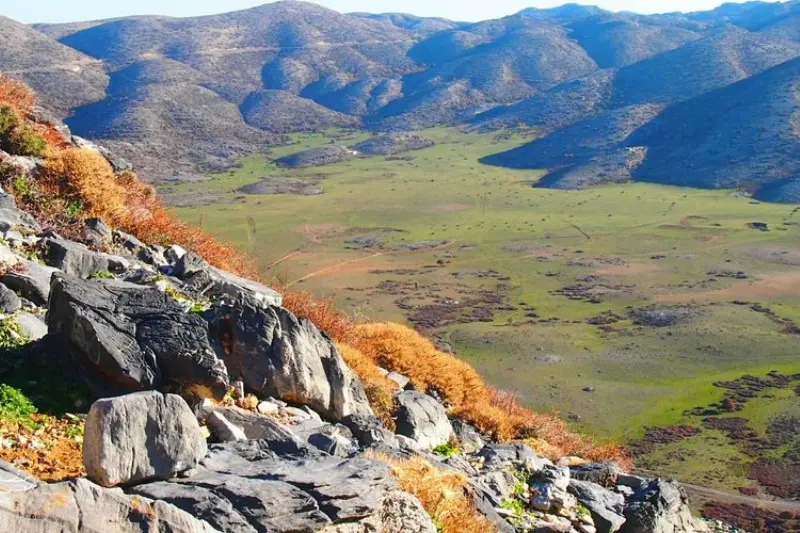
Climb Crete’s highest peak, Mount Ida, for stunning views and a sense of connection to Greek mythology.
Food reward:
Mountain tavernas serve slow-cooked lamb flavored with wild oregano and rosemary—a true taste of Crete’s rugged landscape.
Don’t miss reading it:
Lonely Planet Portugal – Travel & Food Adventures
Free Things to Do in Rome – Food Markets & Budget Food Tips
Lonely Planet Copenhagen 2025 Travel & Food Guide
10 Best Cities to Visit in Europe for Foodies in 2025
Matala & Kommos Beach – Bohemian Spirit
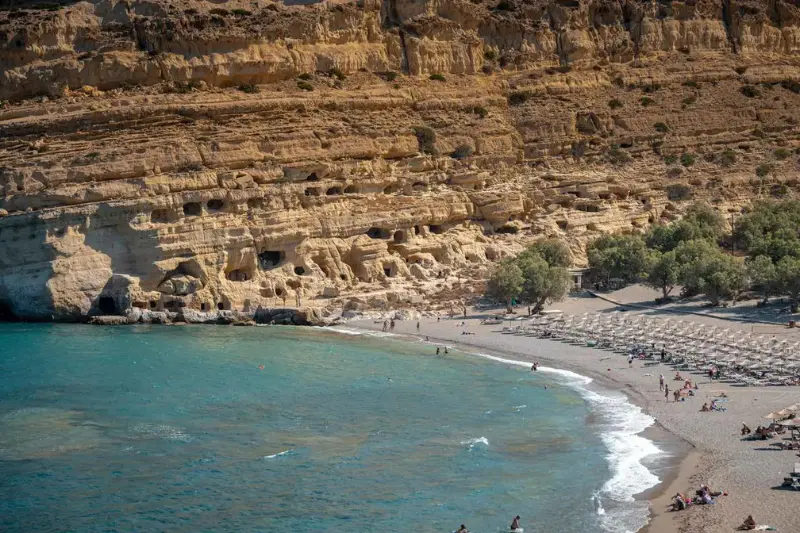
Matala is famous for its caves, once home to hippies in the 1960s. Today, it’s a laid-back village perfect for travelers seeking a mix of history and beach fun.
Food experience:
Dine on grilled octopus by the sea, paired with a crisp glass of Cretan rosé.
Ierapetra – The Sunny South
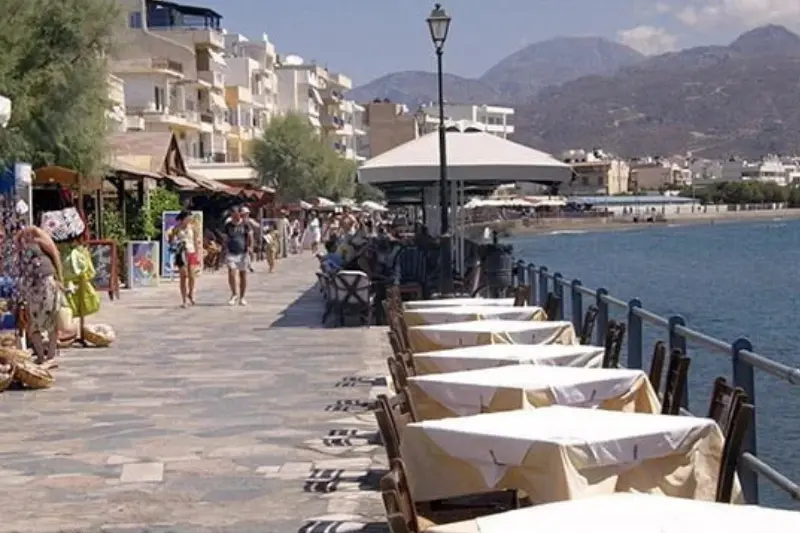
As Europe’s southernmost city, Ierapetra boasts warm weather almost year-round. It’s quieter but perfect for authentic local experiences.
Food highlight:
Taste fresh tomatoes and citrus fruits grown in this region, often featured in local salads and desserts.
Vai Beach – Palm Paradise
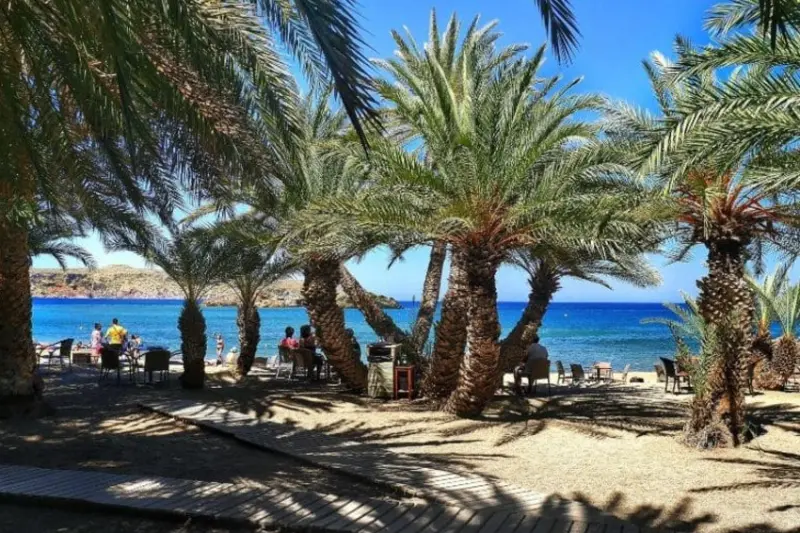
Unique for its vast palm forest, Vai Beach feels more tropical than Mediterranean.
Food to try:
Seafood lovers will rejoice here—order freshly caught fish served simply with lemon and olive oil.
Sitia & Agios Nikolaos – Hidden Gems
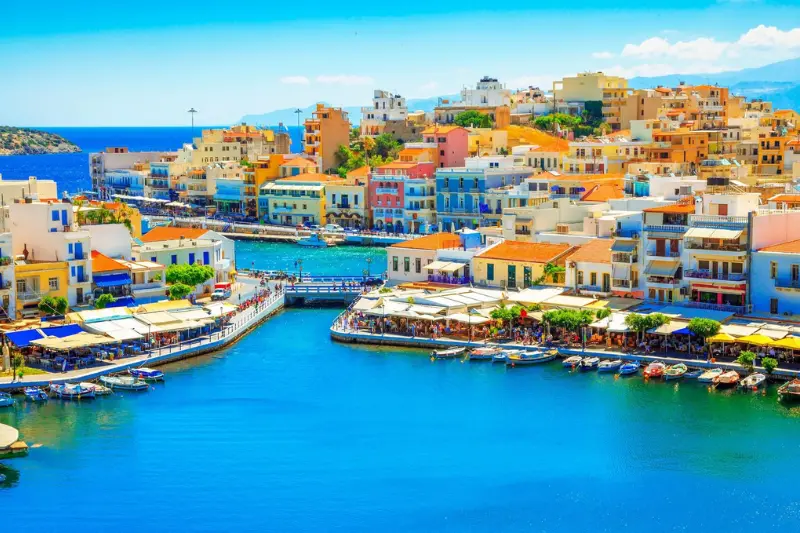
For travelers seeking authenticity, Sitia offers a quieter atmosphere and is renowned for its wines and olive oil. Meanwhile, Agios Nikolaos is a stylish town built around Lake Voulismeni, full of trendy cafes.
Food favorite:
Try loukoumades, honey-drizzled dough balls, with a cup of Greek coffee.
Best Food Experiences in Crete
To truly enjoy Crete, dive into its food culture:
- Olive oil tours – Learn how liquid gold is produced and taste the difference.
- Winery visits – Discover local grape varieties like Vidiano and Liatiko.
- Cooking classes – Cook authentic dishes like moussaka, kalitsounia, or gemista.
- Local markets – Perfect for sampling cheeses, herbs, bread, and pastries.
Best Time to Visit Crete
Crete is a year-round destination, but your food and travel experience changes with the seasons:
- Spring (April–June): Wild herbs, Easter specialties, and pleasant weather.
- Summer (July–August): Bustling beaches, seafood feasts, and vibrant nightlife.
- Autumn (September–October): Wine harvest festivals, warm seas, and fewer crowds.
- Winter (November–March): A quieter island, ideal for cultural exploration and hearty comfort foods.
Getting Around Crete
Crete is vast, so how you travel matters:
- Car rental gives you freedom to explore both coastlines and mountain villages.
- Public buses are reliable for connecting major towns.
- Boats and ferries let you reach remote beaches or neighboring islands.
Recent Updates & Trends in Crete
European Region of Gastronomy 2026
Crete has been officially named the European Region of Gastronomy for 2026. This honor recognizes the island’s culinary identity, sustainable practices, and dedication to preserving and promoting its food heritage. It is expected to boost gastronomic tourism with more food tours, cooking classes, vineyard visits, and greater attention to local agricultural products.
Elounda Collection & Premium Gastronomy
The Elounda Collection is playing a key role in raising Crete’s profile as a destination for luxury gastronomic tourism. Their initiatives include using local produce through farm-to-table programs, offering immersive cooking experiences for guests, and collaborating with international culinary experts.
Cretan Nutrition Festival & Future Plans
Local authorities are embedding “Cretan Nutrition” into long-term strategies for 2026–2030, aiming to make food and nutrition a central feature of both local culture and tourism. Rethymno’s annual Celebration of Cretan Nutrition is also being aligned with the official gastronomy program for 2026.
Tourism & Hospitality Trends in 2025
In the first quarter of 2025, Crete experienced a rise in accommodation revenues, especially in Heraklion, while food and hospitality services saw a decline in some areas. This suggests that while more travelers are booking stays, spending on dining may be under pressure due to rising costs and changing visitor patterns.
Challenges in Eastern Crete (Lasithi)
Eastern Crete, particularly the Lasithi region, has faced challenges such as wildfires, inflation, and cancellations. Local restaurants and cafés in areas like Makry Gialos and Ierapetra reported revenue drops of up to 50%, highlighting the need for stronger recovery efforts.
Final Thoughts
Crete isn’t just a destination—it’s an experience that feeds both your wanderlust and your appetite. With Lonely Planet Crete as your trusted guide, you’ll uncover ancient ruins, hike epic landscapes, relax on world-class beaches, and savor a cuisine rooted in tradition and flavor.
From dakos in Heraklion to olive oil in Chania and fresh fish in Vai Beach, every corner of Crete tells a story through its food and its people. So, pack your bags, bring your appetite, and get ready for a journey into the heart of Greece.
Crete is waiting—with a plate full of flavor and a view that will stay with you forever.
FAQs
Q1. What is Crete best known for?
Crete is famous for its stunning beaches, ancient Minoan ruins, mountain landscapes, and world-class cuisine featuring fresh local ingredients and olive oil.
Q2. Is Crete worth visiting compared to other Greek islands?
Yes, Crete stands out as Greece’s largest island, offering a blend of history, culture, food, and diverse landscapes that make it unique compared to other islands.
Q3. What is the best time to visit Crete?
The best time is spring (April–June) and autumn (September–October) when the weather is pleasant, the sea is warm, and the island is less crowded.
Q4. Which city in Crete should I stay in?
Heraklion is great for history lovers, Chania for its Venetian charm, and Rethymno for a balanced mix of old-world beauty and lively nightlife.
Q5. What food should I try in Crete?
Don’t miss dakos, kalitsounia, lamb with wild greens, fresh seafood, and local cheeses like graviera and mizithra, all paired with Cretan olive oil.
Q6. How many days are enough for Crete?
At least 5–7 days are recommended to explore the major cities, beaches, and enjoy some hiking or food experiences.