If you’re seeking adventure, breathtaking landscapes, and a true taste of Crete’s natural beauty, the Samaria Gorge hike is an experience that should top your travel list. Known as one of the most stunning trails in Greece, this iconic hike stretches over 16 kilometers through dramatic cliffs, lush forests, sparkling streams, and rugged terrain.
It’s a perfect way to discover Crete’s wild and untamed side while enjoying a physically rewarding challenge.
Why Hike the Samaria Gorge?

The Samaria Gorge is not just a hike; it’s a journey through one of Europe’s most impressive natural wonders. It holds the title of one of the longest gorges in Europe and is famous for its awe-inspiring scenery and rich biodiversity.
As you follow the trail, you’ll be surrounded by towering rock walls, ancient olive groves, and rare wildlife, including the kri-kri, Crete’s indigenous wild goat that is only found in this region. The hike combines a moderate physical challenge with incredible rewards, making it ideal for both casual walkers and experienced hikers.
Some of the highlights of hiking the gorge include:
- Dramatic landscapes: From steep cliffs to shaded pine forests, each step presents a new and breathtaking view.
- Flora and fauna: Wildflowers, endemic plants, and the chance to spot rare wildlife make the hike a nature lover’s paradise.
- Historical elements: Ancient stone bridges and remnants of old settlements hint at the gorge’s historical and cultural significance.
Planning Your Samaria Gorge Hike
A successful hike through Samaria Gorge requires some careful planning. Here’s what you need to know:
1. Book in Advance
To avoid logistical headaches, arrange your hike with a tour operator who can transport you to the starting point at the Omalos Plateau and pick you up from the ferry port in Agia Roumeli. This ensures a stress-free experience, giving you the freedom to enjoy the hike without worrying about transportation.
2. Start Early
Depending on your fitness level, the 16 km hike can take anywhere from 4 to 7 hours. Starting early in the day allows you to complete the trek in daylight, soak in the scenery, and relax at the end in Agia Roumeli before catching the ferry.
3. Stay Hydrated
While there are some water points along the trail, it’s essential to carry your own refillable bottle. Drinking water regularly is crucial, especially in the warmer months.
4. Dress Appropriately
Comfortable, sturdy hiking shoes are a must, as some areas of the gorge are rocky and slippery. Lightweight, breathable clothing, a hat, and sunscreen will help you stay comfortable during the hike.
You may also like to read these posts:
Best Road Trips In India | Ultimate Travel Guide 2025
Top 20 Best Lakes In The US For Relaxing Getaway Trips
Best Beaches In Thailand: Top 10 Stunning Beaches To Visit
Best Beaches In Greece: Top 15 Shores To Visit
What to Expect on the Trail
The journey through Samaria Gorge begins at the Omalos Plateau, descending gradually into the gorge. The trail is well-marked, but it offers varying terrain, from narrow rocky paths to shaded forest trails.
Here’s a closer look at the key highlights along the way:
1. Flora and Fauna
Hikers can admire a rich variety of plant life, including wildflowers, towering pine trees, and aromatic herbs. Keep an eye out for wildlife, especially the kri-kri goats, which are a unique symbol of Crete’s wilderness.
2. Historical Ruins
The gorge is dotted with remnants of old villages, stone bridges, and structures that provide a glimpse into the island’s history. These spots make excellent photo opportunities and give the trail a deeper cultural dimension.
3. The Iron Gates
One of the most memorable parts of the hike is The Iron Gates, a narrow passage where the gorge walls come within 3 meters of each other. This dramatic section of the trail is awe-inspiring and often considered the highlight of the trek.
4. Agia Roumeli Village
The trail concludes in Agia Roumeli, a charming coastal village on the Libyan Sea. Here, hikers can cool off with a refreshing swim, enjoy traditional Cretan cuisine, or simply relax and take in the stunning sea views. Ferries connect the village to nearby towns, making the return journey easy and scenic.
Tips for a Safe and Enjoyable Hike
To make your Samaria Gorge hike both safe and unforgettable, consider the following:
- Footwear: Wear sturdy hiking shoes or boots for optimal grip.
- Sun protection: Bring sunscreen, a hat, and sunglasses.
- Snacks and hydration: Pack light snacks like nuts or energy bars, and stay hydrated.
- Respect nature: Avoid leaving trash, and stay on marked paths.
- Pace yourself: Take breaks when needed; the hike is long, but pacing ensures you can enjoy the scenery.
Don’t miss reading it:
Lonely Planet Vietnam – Your Ultimate 2025 Travel Guide
Lonely Planet New Zealand – Travel and Food Guide 2025
Lonely Planet Portugal – Travel & Food Adventures
Best Time to Hike Samaria Gorge
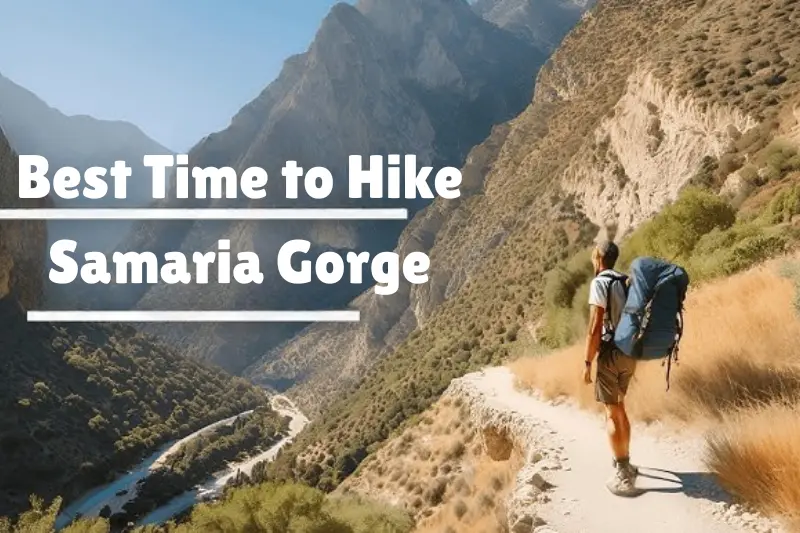
Timing your visit is crucial to ensure a safe and enjoyable experience. The best time to hike Samaria Gorge is during the spring and early autumn months, typically April to June and September to October. During these periods:
- Temperatures are mild, avoiding the intense summer heat.
- The gorge is lush and green, with wildflowers in full bloom.
- Tourist crowds are smaller compared to peak summer months, giving you a more peaceful hike.
It’s important to note that the gorge is closed during the winter months due to heavy rainfall and potentially dangerous conditions.
How to Get to Samaria Gorge
The starting point of the hike is the Omalos Plateau, located in the White Mountains (Lefka Ori) of western Crete. There are several ways to reach it:
- By Car: Renting a car gives you flexibility and allows you to explore nearby villages and scenic routes. Parking is available near the trailhead.
- By Tour Operator: Most travelers prefer organized tours, which include transportation to Omalos Plateau, guides, and ferry pickups from Agia Roumeli. This is a convenient and stress-free option.
- Public Transport: Limited bus services run from Chania or nearby towns during the hiking season, but schedules are infrequent.
Essential Gear for the Hike
To fully enjoy the Samaria Gorge hike and stay safe, pack the following essentials:
- Hiking Shoes: Sturdy, waterproof shoes with good grip are a must.
- Backpack: A lightweight backpack to carry water, snacks, sunscreen, and a light jacket.
- Water Bottle: At least 1–2 liters of water; refill at water points along the trail.
- Sun Protection: Hat, sunglasses, and sunscreen to protect against the strong Cretan sun.
- Camera/Smartphone: Capture the stunning landscapes, wildlife, and Iron Gates.
- Snacks: Energy bars, nuts, or fruit for quick boosts of energy.
Health and Safety Considerations
While the Samaria Gorge hike is suitable for most moderately fit travelers, it is important to consider the following:
- Fitness Level: The trail is mostly downhill but includes rocky paths that can be challenging for beginners.
- Pacing: Don’t rush; take regular breaks to enjoy the views and prevent fatigue.
- Weather Awareness: Temperatures can be high in summer, and sudden rain may make the trail slippery.
- Emergency Points: Familiarize yourself with exit points or emergency contacts along the trail.
Beyond the Hike: Exploring Agia Roumeli
After completing the trek, Agia Roumeli offers a perfect place to relax and celebrate your achievement:
- Swim in the Libyan Sea: Refresh yourself in the turquoise waters.
- Taste Cretan Cuisine: Sample local specialties like dakos, fresh seafood, or local cheeses.
- Relax and Unwind: Enjoy the serene atmosphere of this remote coastal village.
- Catch the Ferry: Travel to Chora Sfakion or Sougia, connecting you back to other parts of Crete.
Insider Tips for an Unforgettable Experience
- Start Early: Beat the heat and the crowds for the best experience.
- Travel Light: Carry only what you need for comfort and safety.
- Capture the Moments: The gorge offers countless photo opportunities, from the Iron Gates to panoramic cliff views.
- Respect Local Rules: Keep the trail clean and avoid disturbing wildlife.
- Check the Schedule: Ferries and tour services may vary seasonally; plan ahead.
Final Thoughts
The Samaria Gorge hike is a once-in-a-lifetime adventure that allows travelers to connect with Crete’s natural beauty, history, and culture. From the lush forests and dramatic cliffs to the rare kri-kri goats and charming coastal village of Agia Roumeli, every moment is an unforgettable experience.
Whether you are a seasoned hiker or a traveler seeking a unique adventure, preparing carefully, pacing yourself, and embracing the wild scenery will make this 16 km journey truly remarkable.
By completing the Samaria Gorge hike, you don’t just conquer a trail—you create memories of an extraordinary adventure through the heart of Crete.
FAQs
1. How long is the Samaria Gorge hike?
The Samaria Gorge hike is approximately 16 kilometers (10 miles) long, stretching from the Omalos Plateau to Agia Roumeli village on the Libyan Sea. It typically takes 4–7 hours depending on your fitness level and pace.
2. When is the best time to hike Samaria Gorge?
The best time to hike is from April to June and September to October. During these months, the weather is mild, the gorge is lush and green, and tourist crowds are smaller. The gorge is closed in winter due to rain and dangerous conditions.
3. Is the Samaria Gorge hike suitable for beginners?
The hike is considered moderate. While mostly downhill, the trail includes rocky and uneven sections. Beginners can complete it with proper footwear, pacing, and regular breaks, but a reasonable fitness level is recommended.
4. How do I get to the starting point of the hike?
The hike begins at the Omalos Plateau. You can reach it by:
Tour operators: Most travelers book tours that include transportation and ferry pick-up.
Car rental: Offers flexibility to explore nearby areas.
Public buses: Available from Chania or nearby towns, but schedules are limited.
5. Are there water points along the trail?
Yes, there are several water sources along the trail, but it’s recommended to carry a refillable water bottle to stay hydrated throughout the hike.