
When most people picture Japan, they think of Tokyo’s neon streets, Kyoto’s golden temples, Osaka’s buzzing food markets, or the iconic silhouette of Mt. Fuji. And for first-time visitors, those highlights are incredible.
But after six trips, I realized I wanted something different. I wanted to step away from the crowds, discover traditions that still live quietly in villages, and see a side of Japan that isn’t plastered on postcards.
That’s when I decided to plan not your typical trip to Japan—a journey into the country’s hidden gems, slower rhythms, and authentic experiences.
Day 1: Hiroshima – Peace Memorial Park & Orizuru Tower
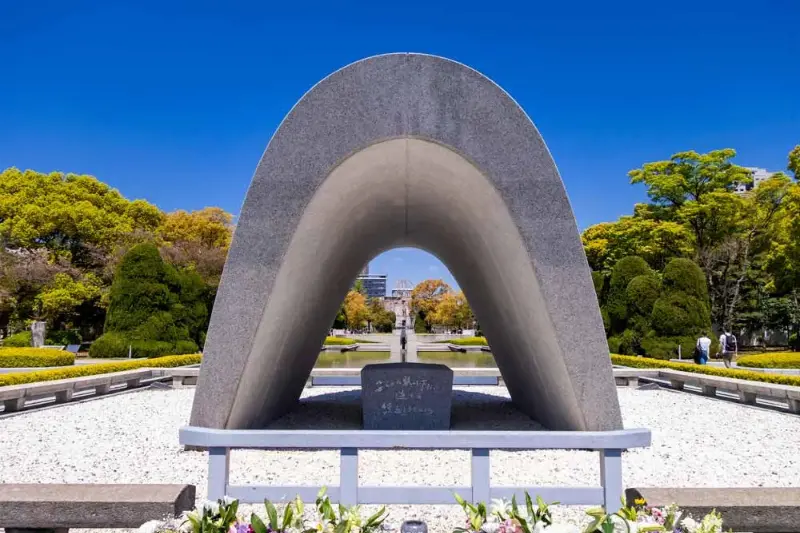
Hiroshima is a city that carries the weight of history, yet it radiates hope and resilience. My first stop was Peace Memorial Park, where the A-Bomb Dome still stands as a stark reminder of the devastation of 1945.
Walking through the park was a moving experience—the Children’s Peace Monument, with thousands of folded paper cranes, was especially touching.
Just a short walk away, I headed to Orizuru Tower, which overlooks the city and the A-Bomb Dome from above. What made it special wasn’t just the view, but the chance to fold a paper crane and drop it into a glass wall that holds thousands of others—a collective message of peace. It was the perfect way to begin this journey.
Day 2: Miyajima Island & Osaka Castle
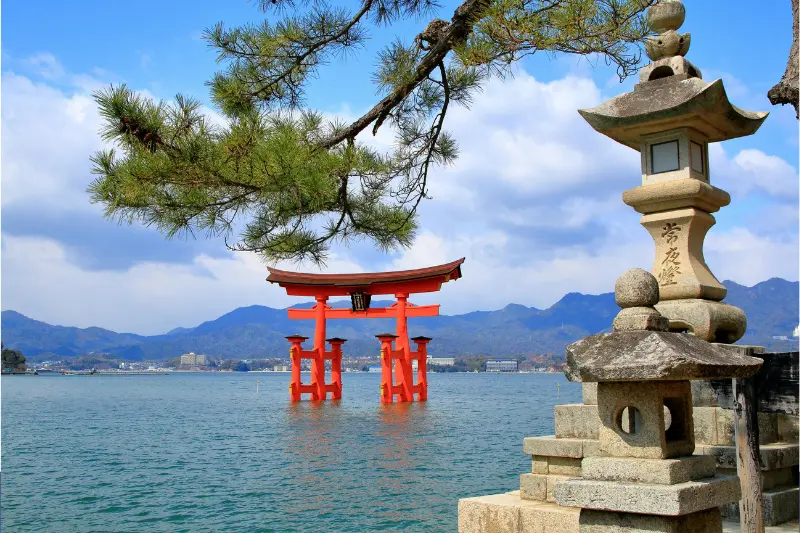
The next morning, I took a ferry to Miyajima Island, home to the iconic “floating” torii gate of Itsukushima Shrine. At high tide, the gate appears to rise out of the sea—a breathtaking sight.
Beyond the shrine, I wandered narrow lanes with local shops selling momiji manju (maple-leaf-shaped cakes filled with sweet bean paste) and hiked up to Mount Misen, where panoramic views stretched across the Seto Inland Sea.
On the way to central Japan, I made a quick stop at Osaka Castle. While I’d been before, it still impresses with its towering stone walls, wide moats, and grand keep—a symbol of samurai power and history.
Don’t miss reading it:
Help Me Pack for My Trip to Jaipur Next Week: Ultimate Guide
Split Croatia 2025 Travel Guide – What to Know Before You Go
Sapa Vietnam Budget Guide 2025 | Travel Tips & Itinerary
Azores Beaches – Top Spots & Travel Guide 2025
Days 3–4: Takayama & Shirakawa-go – Old Japan Preserved
Arriving in Takayama, I instantly felt the difference from Japan’s bustling cities. The air was cooler, the pace slower, and the streets were lined with wooden merchant houses from the Edo period. I strolled through Sanmachi Suji, the old town district, where sake breweries still hang cedar balls outside their doors to show their readiness for the season’s brew.
That night, I joined a lantern-lit walking tour through the quiet alleys—an experience that made me feel like I’d stepped back 300 years.
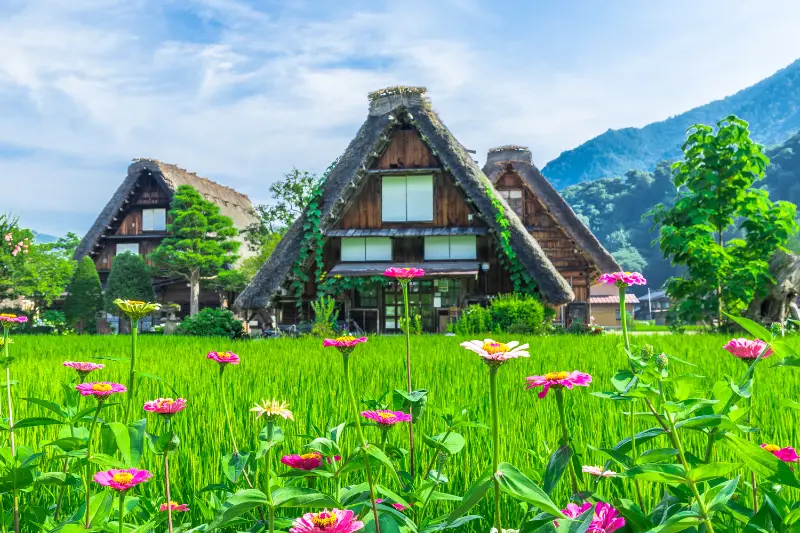
From Takayama, I made a day trip to Shirakawa-go, a UNESCO World Heritage site known for its gassho-zukuri farmhouses—traditional thatched-roof houses designed to withstand heavy snow.
Walking through the village, with smoke rising from chimneys and mountains framing the valley, felt like entering a fairytale. In winter, the roofs glow under blankets of snow; in summer, they’re surrounded by lush rice paddies.
Days 5–6: Matsumoto & Narai-juku – Castles and Post Towns
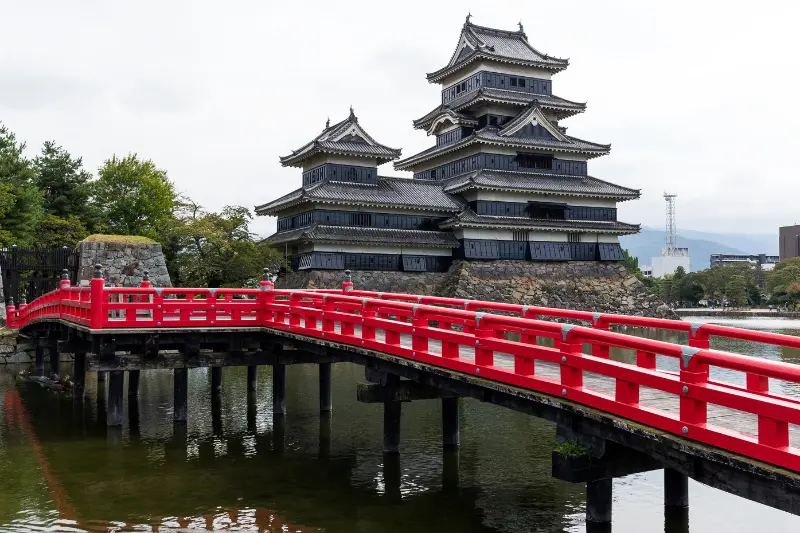
My journey continued to Matsumoto, home to one of Japan’s most striking castles: Matsumoto Castle, nicknamed the “Crow Castle” because of its black exterior. Unlike some castles rebuilt in modern times, Matsumoto’s keep is original, dating back over 400 years. Climbing its steep wooden stairs gave a sense of what it must have been like for samurai defending the castle.
The town itself is equally charming. I wandered streets lined with antique shops, visited quirky cafés, and discovered art galleries tucked away in alleys. It felt modern yet deeply connected to its past.
The next day, I took a train to Narai-juku, a beautifully preserved post town along the Nakasendo Trail, which once connected Kyoto and Edo (Tokyo). The long street of wooden inns and shops, still standing much as they did centuries ago, offered a glimpse into the life of weary travelers and merchants from Japan’s feudal days. Buying a lacquerware souvenir here felt more meaningful than any department store purchase.
Day 7: Nagano – Togakushi Shrine & Zenko-ji Temple
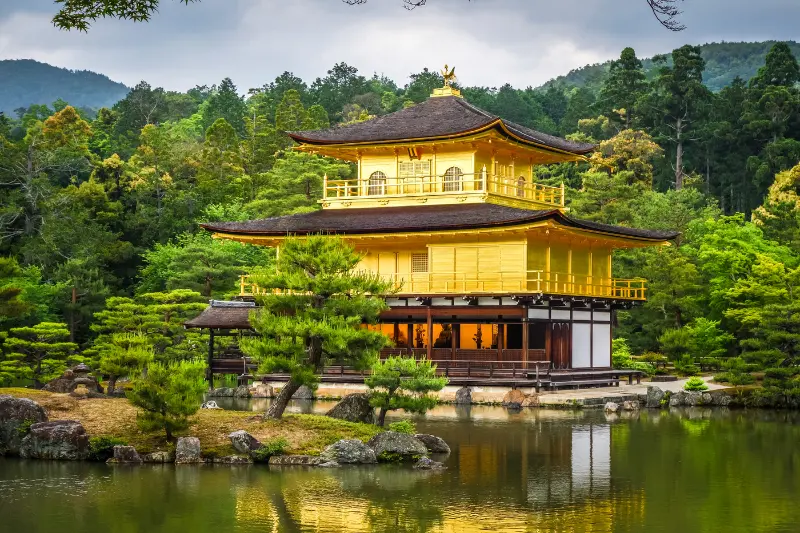
Nagano is often known for its role in the 1998 Winter Olympics, but it’s also home to some of Japan’s most spiritual sites. I took a bus to the Togakushi Shrine, set at the base of Mount Togakushi. The walk up to the shrine along the Cedar Tree Promenade—a path flanked by towering, centuries-old cedar trees—was one of the most magical walks of my trip.
Later, I visited Zenko-ji Temple, a Buddhist temple dating back to the 7th century. Pilgrims from all over Japan still come here to worship. The temple houses a hidden Buddha statue that is only revealed once every seven years, adding to its mystique.
You may also like it:
Rizal Park Manila – History, Monuments & 2025 Updates
Connaught Place Delhi 2025 – Shopping, Food & Travel Guide
Capital Garden Abu Dhabi 2025 | A Peaceful Oasis in the City
Smallest Airport in the US | 10 Calm Travel Alternatives
Days 8–9: Yamanouchi – Onsen Town & Snow Monkeys
Next stop: Yamanouchi Onsen Town, a place that feels like a step into old Japan. Traditional ryokan inns line the streets, their entrances marked with noren curtains, and the air carries the scent of sulfur from steaming hot springs. Slipping into an onsen bath here was the ultimate way to relax after days of travel.
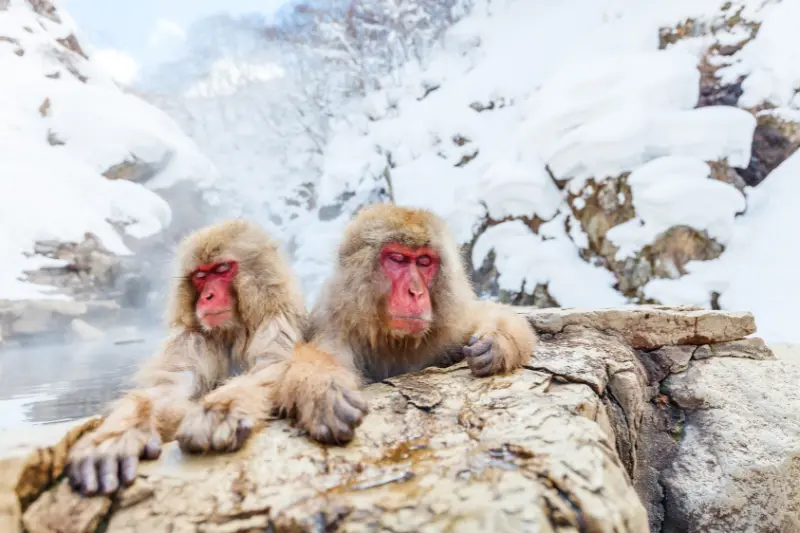
The highlight, however, was Jigokudani Monkey Park, where wild Japanese macaques (snow monkeys) soak in natural hot springs. Watching them relax in the steam, sometimes with snow falling around them, was surreal. Unlike a zoo, the monkeys roam free here, making it a truly unique wildlife encounter.
Day 10: Tokyo – Hidden Corners of the Capital
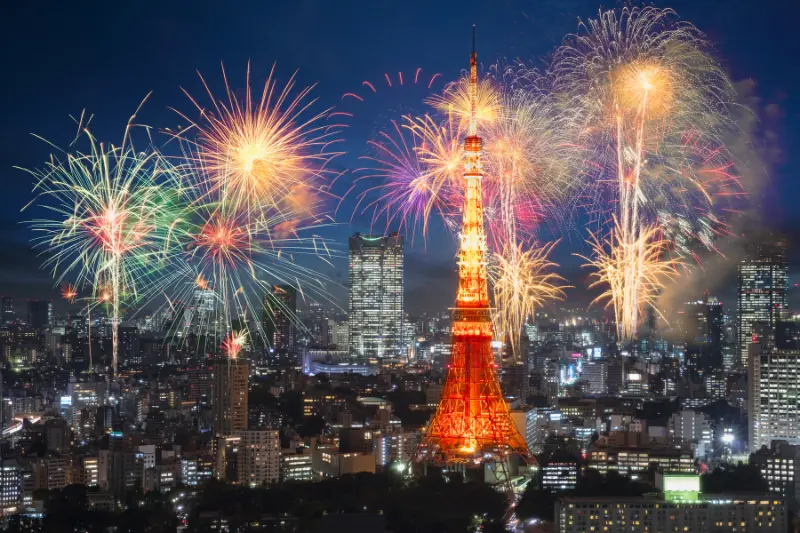
Finally, I ended my journey in Tokyo. But instead of heading straight for Shibuya Crossing or Tokyo Tower, I sought out hidden corners of the city. I found a rooftop park overlooking the skyline, enjoyed coffee at a tucked-away independent café, and visited Hie Shrine, known for its red torii gates that resemble a smaller, quieter version of Kyoto’s Fushimi Inari.
Of course, no trip to Japan ends without food—and I made sure to slurp down what might just be the best ramen in Tokyo before catching my flight home.
Where to Stay
- Hiroshima: Sheraton Grand Hiroshima Hotel – A modern luxury stay right next to Hiroshima Station, perfect for exploring the Peace Memorial Park and Orizuru Tower.
- Takayama: Ryokan Asunaro – A traditional Japanese inn with tatami rooms and warm hospitality, located within walking distance of Takayama Old Town.
- Matsumoto: Buena Vista Hotel Matsumoto – A comfortable stay with panoramic city and mountain views, just a short walk from Matsumoto Castle.
- Nagano: Hotel Metropolitan Nagano – Conveniently attached to Nagano Station, making it easy to reach Togakushi Shrine, Zenko-ji Temple, and the surrounding mountains.
- Yamanouchi Onsen Town: Aburaya Tousen – A beautiful ryokan with hot spring baths, offering an authentic onsen experience in the heart of Yamanouchi.
- Tokyo (Option 1): Park Hotel Tokyo – A stylish hotel known for its art-themed rooms and excellent location in Shiodome.
- Tokyo (Option 2): Shinjuku Granbell Hotel – A modern, vibrant stay in the heart of Shinjuku, surrounded by restaurants, bars, and nightlife.
Travel Tips for This Itinerary
- Best Time to Go: Spring (cherry blossoms) and autumn (fall colors) bring the most beautiful scenery. Winter is ideal for Shirakawa-go and snow monkeys.
- Getting Around: A JR Pass is highly recommended—it covers long-distance trains and makes travel between cities seamless. Local buses connect rural spots like Shirakawa-go and Togakushi.
- Budget: Expect mid-range travel costs—¥12,000–15,000 per night for ryokan stays with meals, and ¥600–1,000 for local meals.
- What to Pack: Comfortable walking shoes, layers for mountain weather, and a towel if you plan to enjoy multiple onsens.
- Why It’s Different: Instead of racing through Tokyo and Kyoto, this itinerary focuses on smaller towns where you’ll encounter fewer tourists and more authentic moments.
FAQs
Q1: What is the best time of year for this itinerary?
Spring (March–May) and autumn (September–November) are ideal. You’ll enjoy mild weather, cherry blossoms or autumn colors, and fewer crowds than peak summer.
Q2: How do I travel between these cities?
Japan’s rail network is the most convenient option. Consider purchasing a JR Pass, which covers most long-distance trains, including the Shinkansen (bullet train). Local buses and limited express trains help connect smaller towns like Takayama and Shirakawa-go.
Q3: How much should I budget for a 10-day trip like this?
Expect to spend around $2,500–$3,500 USD per person, including accommodation, transport, food, and attractions. Staying in ryokans with meals included can cost more, but it’s worth the cultural experience.
Q4: Is this trip family-friendly?
Yes, though some parts — like the long walks at Togakushi Shrine or Narai-juku — may be better suited for adults or older children. The snow monkey park is a favorite for all ages.
Q5: What makes this trip “not your typical trip to Japan”?
Instead of focusing on Tokyo, Kyoto, and Osaka, this route introduces you to quieter towns, traditional villages, and natural landscapes — giving you a more authentic and less crowded experience of Japan.
Final Thoughts
This 10-day journey wasn’t about checking off the “Top 10 Things to See in Japan.” It was about connecting with the country on a deeper level—walking quiet streets, soaking in hot springs, and discovering traditions that have stood the test of time.
If you’ve already seen Japan’s famous highlights and are ready for something different, consider planning not your typical trip to Japan. It’s slower, richer, and reveals a side of the country that most travelers miss—but one you’ll never forget.