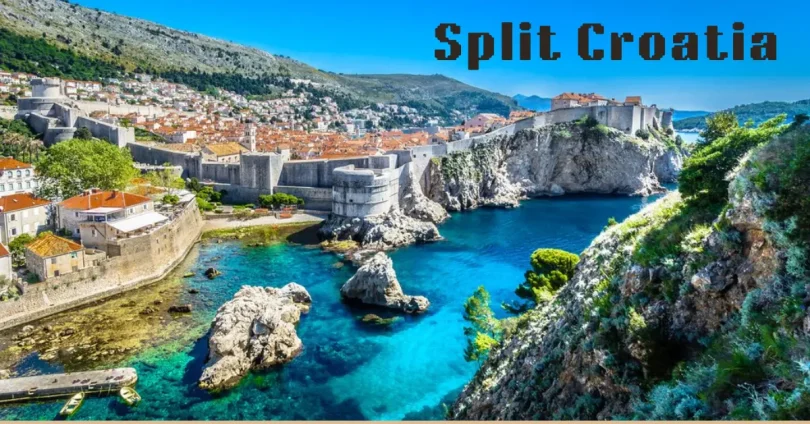

When travelers dream of the Adriatic Coast, one city often takes center stage: Split Croatia. Known as the country’s second-largest city, Split is more than just a transport hub or a stopover point for island-hopping—it’s a destination in its own right.
With over 1,700 years of history, a UNESCO-protected old town, stunning beaches, and a lively Mediterranean atmosphere, Split offers the perfect balance of culture, relaxation, and adventure.
Whether you’re a history enthusiast, a foodie, or a beach lover, Split has something to capture your heart. Let’s take a journey through the city’s past, present, and the many experiences it offers.
The Origins of Split: From Roman Palace to Thriving City
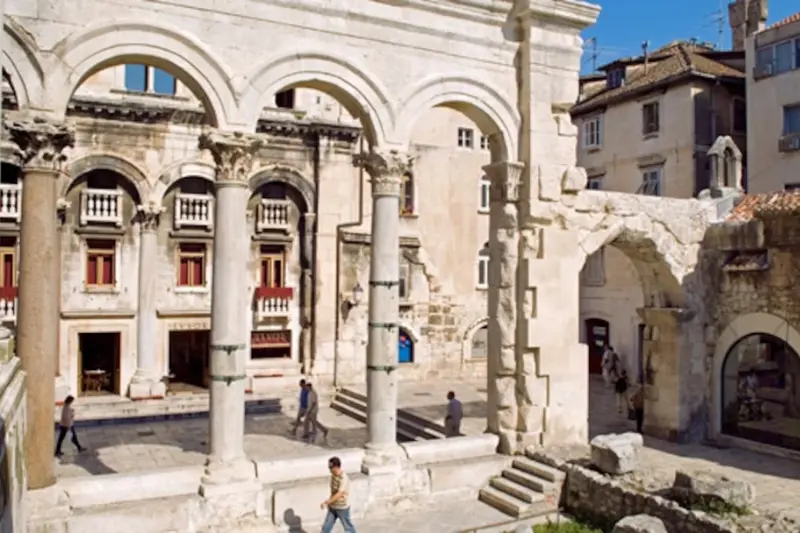
Founded around the retirement palace of Roman Emperor Diocletian, Split is a city born of imperial grandeur and timeless charm. Its UNESCO-listed Diocletian’s Palace, stretching across 30,000 square meters, was originally a fortress-like complex of temples, living quarters, and courtyards.
After the fall of the Roman Empire, locals transformed the abandoned palace into a thriving hub of homes, shops, churches, and markets.
Today, it remains not just a relic of the past but the very soul of Split—a living center where Roman ruins, medieval architecture, and vibrant modern life intertwine.
As you wander its narrow stone lanes, centuries of history unfold around you, blending ancient heritage with the city’s bustling present.
You may also like to read these posts:
Help Me Pack for My Trip to Jaipur Next Week: Ultimate Guide
Sapa Vietnam Budget Guide 2025 | Travel Tips & Itinerary
Top Things to Do in Split Croatia
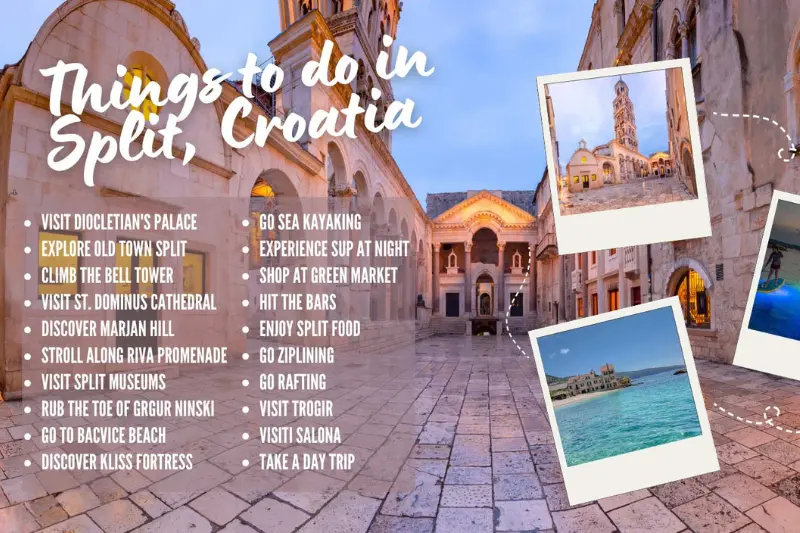
Split is a city best explored slowly, with plenty of time to soak in its charm. Here are the highlights:
1. Diocletian’s Palace
The heart of the old town, this UNESCO World Heritage Site is one of the best-preserved Roman monuments in the world. Explore the underground cellars, admire the Peristyle (central courtyard), and imagine life during the Roman Empire.
2. Riva Promenade
The city’s social hub, lined with palm trees and cafés. It’s the perfect place to sip coffee, people-watch, and enjoy Adriatic sunsets.
3. Cathedral of Saint Domnius
Originally built as Diocletian’s mausoleum, it’s now one of the world’s oldest Catholic cathedrals still in use. Don’t miss climbing the bell tower for panoramic views.
4. Marjan Hill
Often called the “lungs of Split,” this forested hill offers walking trails, peaceful chapels, and sweeping views of the city and surrounding islands.
5. Bačvice Beach
Split’s most famous beach, known for its sandy shores and the traditional ball game picigin. At night, it transforms into a lively party spot.
6. Green Market (Pazar)
A vibrant open-air market where locals shop for fresh produce, cheeses, olive oils, and flowers. It’s a feast for the senses.
7. Museums & Galleries
- Split Archaeological Museum – Showcasing artifacts from prehistoric, Greek, and Roman times.
- Gallery of Fine Arts – Featuring Croatian artists from the 14th century to modern times.
- Ethnographic Museum – Offering a glimpse into traditional Dalmatian culture.
Split’s Living Spirit
Unlike cities that feel like open-air museums, Split Croatia is alive and buzzing with daily life. Locals gather at cafés, fishermen unload fresh catches at the harbor, and children play soccer in ancient courtyards. Summer brings festivals, live music, and open-air performances, filling the city with Mediterranean energy.
Food lovers will find plenty to savor—fresh seafood, Dalmatian pašticada (slow-cooked beef stew), black risotto, and excellent local wines. Dining in Split is more than just eating; it’s an immersion into Croatian culture.
A City in Transformation: Tourism Reimagined & Urban Renewal
Evolving Tourism Strategy
In recent years, Split has been rethinking its tourism identity. Once known for its party reputation, the city is now steering toward cultural and sustainable tourism.
Under the leadership of Mayor Tomislav Šuta, elected in June 2025, policies are being introduced to curb disruptive nightlife and encourage experiences that highlight heritage, art, and authentic local culture.
Inspired by successful strategies in other European cities, these measures are set to reshape Split’s character in the near future.
Žnjan Redevelopment
One of the most significant changes in Split is the revitalization of the Žnjan beachfront, which reopened in June 2025 after a massive £37 million investment. This is the city’s largest urban development project in more than half a century.
The newly transformed area now features landscaped beaches, playgrounds, family-friendly cafés, an amphitheater, and free public facilities, making it a showcase of modern urban planning and a fresh focal point for both locals and visitors.
Tourism Boom vs. Rising Costs
The year 2025 has brought record-breaking tourism numbers to Split and the Dalmatian coast. Split-Dalmatia County alone recorded more than 5.2 million overnight stays, reflecting a 3% increase compared to the previous year.
Tourist spending is also higher than ever, boosting the local economy. However, this growth comes with challenges: inflation and rising costs are placing a strain on both travelers and residents.
A three-star hotel in Split now averages between €110–150 per night, while dining out has also become more expensive. As a result, tourism officials are promoting “smart pricing” strategies to ensure the city remains a valuable and competitive destination.
Infrastructure & Investments
To support its expanding tourism industry, Split is undergoing significant infrastructure improvements. The city’s harbor and airport are both being expanded to handle growing traffic, while the hospitality sector is increasing its capacity with new hotels and digital services.
Beyond Split itself, the government has allocated €35 million for projects across Dalmatia, particularly focusing on the islands and hinterland. These investments aim to balance development, reduce overcrowding in Split’s city center, and offer travelers more diverse experiences across the region.
Why Split Still Captivates
What makes Split truly unique is its balance between the ancient and the modern. Diocletian’s Palace continues to stand as a breathtaking reminder of Roman grandeur, while the Riva promenade pulses with energy day and night.
The new Žnjan beachfront adds a contemporary layer to the city’s appeal, creating a destination that evolves without losing its soul. With its new tourism model focused on culture, sustainability, and family-friendly experiences, Split is redefining itself while remaining deeply connected to its history.
Whether you’re drawn by Roman architecture, the call of island adventures, family-friendly beaches, or cultural immersion, Split, Croatia offers an experience like no other. It is a city in motion—an ever-changing canvas where history, innovation, and Mediterranean spirit beautifully converge.
Island-Hopping Adventures
Split’s strategic location makes it the ideal base for exploring Croatia’s famous islands:
- Hvar – Known for luxury yachts, nightlife, and lavender fields.
- Brač – Home to Zlatni Rat, one of Europe’s most iconic beaches.
- Vis – A quieter, more authentic island with WWII history and hidden coves.
- Šolta & Korčula – Smaller gems with charming villages, vineyards, and unspoiled landscapes.
Daily ferries and catamarans make island-hopping easy and convenient, turning Split into a true gateway to the Adriatic.
Practical Travel Tips for Split Croatia

- Best Time to Visit:
- May–June and September–October for warm weather and fewer tourists.
- July–August for festivals and nightlife, but expect crowds.
- May–June and September–October for warm weather and fewer tourists.
- Currency: Croatia adopted the Euro (€) in 2023. While credit cards are widely accepted, carry cash for markets and small shops.
- How Long to Stay
Don’t just rush through Split in a day — give yourself at least 2–3 days. That way you can enjoy the palace, beaches, and even take a ferry to nearby islands. - Budget-Friendly Ideas
Hotels in the city usually cost around €110–150 a night. To save money, eat at local markets or cozy taverns instead of touristy spots, and consider traveling in the off-season. - Culture & Etiquette
Split is beautiful, so locals expect you to treat it with respect. Dress modestly in historic areas, avoid littering, and skip rowdy behavior in public. Even learning a simple “Hvala” (thank you) will make locals smile. - Language: Croatian is the official language, but English is commonly spoken in tourist areas.
- Getting Around
The old town is super walkable — no need for a car. For exploring further, you can hop on buses, grab a taxi, or take a ferry to islands like Hvar, Brač, or Vis. - Must-Try Experiences
Don’t just sightsee — experience the local life! Try a cooking class, sip some Dalmatian wine, or bike up Marjan Hill for stunning views over the Adriatic.
FAQs
1. What is Split, Croatia, famous for?
Split is best known for Diocletian’s Palace, a UNESCO World Heritage site, along with its lively waterfront promenade, stunning beaches, and access to nearby Croatian islands.
2. How many days do I need in Split?
Most travelers recommend at least 2–3 days to explore the city and its surroundings, though you could easily spend a week if you plan to island-hop.
3. What currency is used in Split?
Croatia switched to the Euro (€) in 2023. Credit cards are widely accepted, but carrying some cash is useful for markets and smaller shops.
4. Is Split expensive to visit?
Split can be pricey in peak summer (July–August), especially for hotels and dining. Traveling in shoulder seasons (May–June, September–October) and eating at local spots can help you save.
5. What’s the best way to get around Split?
The old town is pedestrian-friendly, and most attractions are walkable. For day trips and islands, buses, taxis, and ferries are the way to go.
Conclusion
Split, Croatia, is more than just a stopover on the Dalmatian Coast — it’s a city where ancient history meets Mediterranean charm. From wandering through Diocletian’s Palace to relaxing on sun-soaked beaches or hopping across nearby islands, every day offers something new.
Whether you’re here for a short getaway or an extended holiday, Split’s mix of culture, nature, and vibrant local life makes it an unforgettable destination. Pack your bags, respect the local traditions, and get ready to experience the best of the Adriatic!
You may also like to read these posts:
16526 Train Running Status | Kanyakumari Express Live
Mumbai To Prayagraj Train – Route, Timings & Fare Guide
Top Hotels in Prayagraj | Luxury & Budget Stays
Help Me Pack for My Trip to Jaipur Next Week: Ultimate Guide