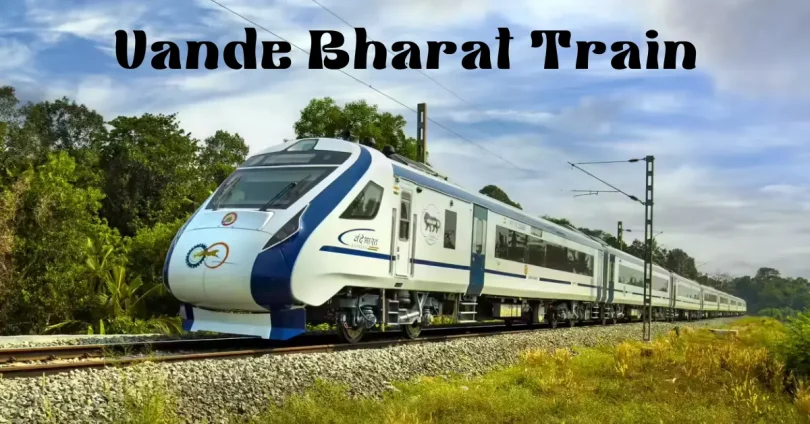

The Vande Bharat Train, officially known as the Vande Bharat Express and previously referred to as Train 18, is a landmark achievement in Indian Railways.
As India’s first indigenously built semi-high-speed train, it represents innovation, self-reliance, and progress under the Make in India initiative.
With its blend of speed, comfort, and modern technology, the Vande Bharat has redefined how Indians experience train travel.
History of the Vande Bharat Train
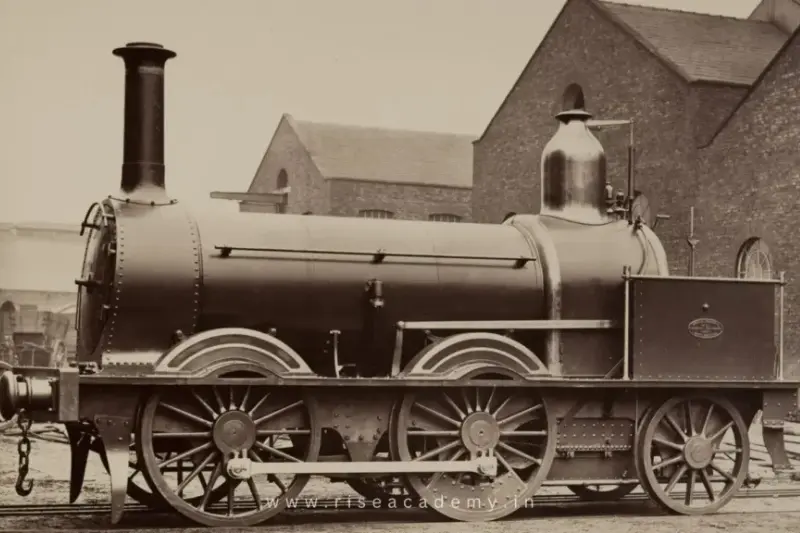
The journey of Vande Bharat began at the Integral Coach Factory (ICF), Chennai, where a team of dedicated engineers and designers worked tirelessly to create a train that would match international standards. The first Vande Bharat Express was inaugurated on February 15, 2019, by Prime Minister Narendra Modi on the New Delhi to Varanasi route.
What makes the Vande Bharat train particularly special is that it is fully designed and manufactured in India, making it a source of national pride. Its successful launch marked the beginning of a new era in Indian rail travel, one that combines speed, sustainability, and passenger comfort.
Features of the Vande Bharat Express
The Vande Bharat Train is not just about faster travel; it provides passengers with a modern and luxurious experience. Some of its key features include:
Speed and Performance
- Operates at a speed of 130–160 km/h with a design potential of 180 km/h.
- Faster acceleration and deceleration compared to conventional trains, which helps reduce journey time significantly.
Modern Interiors
- Comfortable airline-style seating in Chair Car and Executive Class.
- Automatic sliding doors for easy boarding.
- Spacious legroom and large windows for an enhanced travel experience.
Technology and Safety
- Equipped with Kavach, India’s indigenous train protection system, which prevents collisions.
- Regenerative braking system, which saves energy and reduces emissions.
- Advanced suspension system ensuring a smooth, noise-free ride.
Passenger Comfort
- Onboard infotainment system and Wi-Fi access.
- Bio-vacuum toilets for hygiene and water conservation.
- Personal reading lights, tray tables, and charging points at every seat.
You may also like to read these posts:
Prayagraj To Ayodhya Train – Complete Travel Guide 2025
16526 Train Running Status | Kanyakumari Express Live
Mumbai To Prayagraj Train – Route, Timings & Fare Guide
Top Hotels in Prayagraj | Luxury & Budget Stays
Major Routes of Vande Bharat Train

Since its debut, the Vande Bharat Express has expanded across several routes, connecting major cities, business hubs, and pilgrimage destinations. Some of the popular routes include:
- New Delhi – Varanasi (the first and most iconic route).
- New Delhi – Katra (Vaishno Devi), providing easier access for pilgrims.
- Mumbai – Gandhinagar, one of the busiest business corridors.
- Howrah – New Jalpaiguri, offering faster travel in Eastern India.
- Chennai – Mysuru, enhancing connectivity in the South.
- Secunderabad – Visakhapatnam, connecting important cities in Andhra Pradesh and Telangana.
These routes are carefully chosen to serve both practical and spiritual purposes, reducing travel times significantly while offering world-class comfort.
Passenger Experience
Traveling on the Vande Bharat is often compared to flying, thanks to its advanced design and service. Passengers can expect:
- Smooth rides with fewer jerks, even at higher speeds.
- Quick boarding and deboarding with automatic doors.
- Hygienic meals served in airline-style packaging.
- Availability of charging ports for laptops and smartphones.
- Well-maintained interiors that remain clean throughout the journey.
For many, traveling on the Vande Bharat is not just about reaching a destination—it is an experience in itself.
Vande Bharat vs. Other Premium Trains
Indian Railways already operates premium services like Rajdhani Express, Shatabdi Express, and Tejas Express, but the Vande Bharat surpasses them in many ways:
- Speed: Faster acceleration and shorter journey times.
- Comfort: Better seating, lighting, and noise control.
- Safety: Equipped with modern systems like Kavach, making it safer than traditional trains.
- Eco-Friendly: Consumes less energy and is designed with sustainability in mind.
While Rajdhani and Shatabdi remain important, the Vande Bharat represents the future of railway travel in India.
Future Plans for Vande Bharat
The success of the Vande Bharat Express has led to ambitious expansion plans. The government aims to introduce 400 Vande Bharat trains by 2030. Future versions are expected to include:
- Sleeper class Vande Bharat trains for overnight travel.
- Mini Vande Bharat services for shorter intercity routes.
- Upgraded versions capable of reaching speeds of 200 km/h.
This expansion will not only improve connectivity across India but also strengthen the country’s position as a leader in modern rail technology.
Importance of Vande Bharat for India
The Vande Bharat Train is more than just a transportation project; it reflects India’s progress in infrastructure, technology, and self-reliance. It has several key impacts:
- Economic Growth: Faster travel between major cities boosts trade and tourism.
- Cultural Connection: Connects important pilgrimage and cultural destinations.
- Sustainability: Promotes eco-friendly transport with reduced energy consumption.
- Global Recognition: Positions India alongside countries with advanced railway systems like Japan and France.
FAQs
1. What is the Vande Bharat Train?
The Vande Bharat Train, also called Train 18, is India’s first semi-high-speed train, built entirely in India. It combines speed, comfort, and modern technology, making travel faster and more convenient.
2. When was the first Vande Bharat Express launched?
The first Vande Bharat Express was inaugurated on February 15, 2019, on the New Delhi to Varanasi route. It was developed under the Make in India initiative.
3. What makes Vande Bharat different from other trains?
Unlike traditional trains, Vande Bharat is engine-less with self-propelled coaches. It offers higher speed, modern interiors, automatic doors, bio-vacuum toilets, Wi-Fi, and advanced safety features like Kavach.
4. How fast does the Vande Bharat Train run?
It operates at a speed of 130–160 km/h, with a design potential of up to 180 km/h, making it one of the fastest trains in India.
5. Which are the major routes of the Vande Bharat Express?
Some popular routes include:
New Delhi – Varanasi
New Delhi – Katra (Vaishno Devi)
Mumbai – Gandhinagar
Chennai – Mysuru
Howrah – New Jalpaiguri
Secunderabad – Visakhapatnam
Conclusion
The Vande Bharat Express is a symbol of India’s technological advancement and a glimpse into the future of train travel in the country. With its speed, safety, and passenger-friendly features, it has redefined the standards of Indian Railways.
For travelers, it offers an experience that combines efficiency, comfort, and affordability. For India, it is a proud achievement that showcases the nation’s ability to innovate and deliver world-class infrastructure.
The journey of the Vande Bharat is only just beginning, and as more routes and upgraded versions are introduced, it will continue to transform the way people travel across India.