

If you dream of misty mountains, golden rice terraces, and vibrant hill tribe culture, Sapa Vietnam should be at the top of your travel list. Tucked away in the northern highlands near the Chinese border, this picturesque town combines stunning scenery with rich traditions and affordable adventure.
What makes Sapa even more appealing is that you don’t need to spend much to experience it all. From homestays for as little as $13/night, delicious meals for around $2, and fun activities starting at $8, Sapa proves that magical travel doesn’t have to be expensive.
This comprehensive guide will cover everything you need to know: how to get there, the best time to visit, where to stay, what to eat, must-see attractions, practical tips, and even a 5-day budget itinerary.
Why Visit Sapa?

Sapa is a destination like no other in Vietnam. Unlike the bustling streets of Hanoi or the tropical beaches of Da Nang, Sapa offers a cooler, mountainous escape where nature takes center stage.
- Breathtaking Rice Terraces: The terraced fields of Muong Hoa Valley look like living artwork, especially in autumn when they turn golden.
- Fansipan Mountain: Known as the “Roof of Indochina”, this 3,143-meter peak is Southeast Asia’s tallest and can be reached via a scenic cable car or by trekking.
- Ethnic Culture: Home to minority groups like the Hmong, Red Dao, Tay, and Giay, Sapa is a cultural melting pot where traditional dress, handicrafts, and customs remain alive.
- Cool Climate: Thanks to its elevation, Sapa enjoys a temperate climate. Misty mornings and crisp evenings give it an almost mystical feel.
How to Get to Sapa
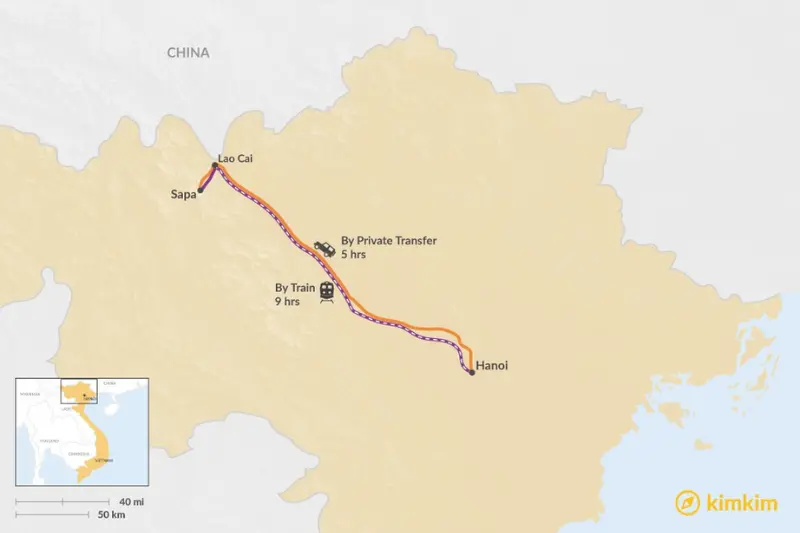
Most travelers begin their journey in Hanoi, and from there you have several options:
- Overnight Train
- Duration: 8–9 hours
- Cost: $20–40 (depending on class)
- Pros: Scenic, comfortable, quieter than buses
- Cons: Train stops at Lao Cai, 1 hour from Sapa by shuttle
- Duration: 8–9 hours
- Sleeper Bus
- Duration: 6–7 hours
- Cost: $10–15
- Pros: Direct, budget-friendly, reclining beds
- Cons: Bumpy at times
- Duration: 6–7 hours
- Private Car or Shuttle
- Duration: 5–6 hours
- Cost: $120+ (per car)
- Pros: Flexible for groups and families
- Cons: Higher price
- Duration: 5–6 hours
Budget Tip: The sleeper bus is the cheapest and fastest option, but if you want a unique travel experience, the night train is a classic choice.
You may also like to read these posts:
Help Me Pack for My Trip to Jaipur Next Week: Ultimate Guide
Split Croatia 2025 Travel Guide – What to Know Before You Go
Best Time to Visit Sapa

Each season in Sapa offers something unique:
- Spring (March–May): Clear skies, blooming flowers, comfortable hiking weather.
- Autumn (September–November): Golden rice terraces and perfect trekking conditions.
- Winter (December–February): Misty, cold, and sometimes snowy—a rare sight in Vietnam!
- Summer (June–August): Lush green scenery but with heavy rainfall.
Best months: September–November and March–May
Where to Stay in Sapa
Accommodation in Sapa ranges from cozy family-run homestays to luxury resorts.
Budget-Friendly Homestays
- De Mong Sapa – Affordable, friendly, and surrounded by nature.
- Rock Garden Homestay – Stay in rustic bungalows with panoramic mountain views.
Price: $13–20 per night, often including meals.
Mid-Range Comfort
- Pistachio Hotel – Stylish rooms with modern amenities and an infinity pool.
- Sapa Relax Hotel & Spa – Comfortable stay with wellness services.
Price: $40–70 per night.
Luxury Options
- Hotel de la Coupole – MGallery – A stunning French-inspired landmark with five-star luxury.
- Silk Path Grand Sapa – A blend of elegance and local charm.
Price: $150–250 per night.
Top Things to Do in Sapa

1. Trekking Through Rice Terraces
The highlight of Sapa—walk through Muong Hoa Valley with a local guide and explore villages like Lao Chai, Ta Van, and Giang Ta Chai.
2. Fansipan Mountain
Ride the world-famous cable car or hike to the summit for sweeping views. Cable car tickets cost around ₫800,000 (~$32).
3. Cat Cat Village
A short trek from Sapa town, this Hmong village offers waterfalls, cultural performances, and handicrafts.
4. Silver Waterfall & Love Waterfall
Two scenic gems located just outside of town, perfect for a half-day trip.
5. Local Markets
Visit Bac Ha Market or Sapa Market to shop for traditional textiles, jewelry, and fresh produce.
6. Adventure Activities
Sapa now offers more than trekking—try the Glass Bridge, alpine coaster rides, or eco-parks for family-friendly fun.
Food in Sapa
Food in Sapa is hearty, flavorful, and budget-friendly. For $2–3 per meal, you can try:
- Thang Co – Traditional Hmong horse meat stew.
- Black Chicken (Gà Đen) – Roasted with herbs for a rich, unique taste.
- Fresh Salmon Hotpot – Locally farmed salmon, perfect for cool evenings.
- Street BBQ – Skewers, grilled corn, and sticky rice at the night market.
Getting Around Sapa
- On Foot: Many attractions in town and nearby villages are walkable.
- Motorbike Rental: About $8/day, ideal for exploring at your own pace.
- Private Car: Around $40/day, better for groups or families.
Sample 5-Day Budget Itinerary (~$369)
Day 1: Hanoi → Sapa by sleeper bus/train. Explore Sapa town and night market.
Day 2: Trek to Cat Cat Village and enjoy a local homestay.
Day 3: Visit Fansipan Mountain and Silver Waterfall.
Day 4: Day trip to Ta Phin Village + Red Dao herbal bath.
Day 5: Sunrise trek → shop for souvenirs → return to Hanoi.
💰 Breakdown:
- Transport: $40
- Homestays: $65
- Food: $40
- Tours & Entry Fees: $50
- Miscellaneous: $30
- Flights (Hanoi return): ~$144
Total: ~$369 USD
Travel Tips & Mistakes to Avoid
- Don’t overpack—light hiking gear and a jacket are enough.
- Always confirm prices before booking tours.
- Ask permission before taking photos of locals.
- Weather changes quickly—carry layers and rain protection.
- Support local businesses by staying in homestays and buying handmade crafts.
FAQs About Sapa Vietnam
1. Is Sapa Vietnam expensive to visit?
No, Sapa is one of Vietnam’s most budget-friendly destinations. You can find homestays for $13–20 per night, meals for $2–3, and activities starting at $8.
2. What is the best time to visit Sapa?
September–November (autumn) for golden rice terraces and March–May (spring) for clear skies and flowers.
3. How many days should I spend in Sapa?
A 3–5 day trip is ideal to explore rice terraces, villages, Fansipan Mountain, and local markets.
4. How do I get to Sapa from Hanoi?
You can take a sleeper bus (6–7 hours), an overnight train (8–9 hours), or a private car/shuttle (5–6 hours).
5. Do I need a guide for trekking in Sapa?
It’s not required, but hiring a local guide enriches your experience and supports local communities.
Conclusion
Sapa, Vietnam is where breathtaking landscapes meet rich cultural traditions—and the best part is, you don’t need a big budget to enjoy it. From $13 homestays and $2 street food to world-class trekking and mountain adventures, Sapa proves that unforgettable travel experiences can still be affordable.
Whether you’re chasing golden rice terraces, exploring ethnic villages, or riding above the clouds on Fansipan, Sapa offers something magical for every traveler. If you’re looking for a destination that combines nature, culture, and value, Sapa should be at the very top of your travel list.
You may also like it:
Mumbai To Prayagraj Train – Route, Timings & Fare Guide
Top Hotels in Prayagraj | Luxury & Budget Stays