
A road trip across New Zealand is one of the best ways to experience Māori culture in an authentic and meaningful way. The North Island offers the deepest concentration of cultural experiences, especially in Rotorua and Northland, while the South Island provides unique perspectives tied to Ngāi Tahu heritage.
Visitors can explore marae, attend traditional performances, visit cultural centres, and align their trip with festivals such as Matariki. Renting a car allows flexibility to connect scenic landscapes with rich cultural storytelling, creating a well-rounded and immersive journey.
Introduction to the New Zealand Māori Experience
New Zealand’s identity is deeply rooted in the traditions, stories, and values of the Māori people, the country’s indigenous population. From powerful haka performances to intricately carved meeting houses, Māori culture is not just preserved for tourists but actively lived and celebrated every day.
For travellers seeking something more meaningful than sightseeing alone, a road trip offers a unique opportunity to engage with Māori heritage at your own pace. You are not limited to a single destination. Instead, you can travel through regions where history, language, and customs are woven into the land itself.
Whether you are exploring geothermal valleys, coastal settlements, or alpine lakes, Māori culture provides a deeper layer of understanding that transforms a standard itinerary into a culturally enriching journey.
Exploring Māori Culture on the Road
Hiring a car is one of the most effective ways to experience Māori culture across New Zealand. Public transport can take you to major cities, but many of the most authentic cultural experiences are found in smaller towns, rural communities, and culturally significant landscapes.
A road trip allows you to:
- Visit lesser-known cultural centres and local experiences
- Travel between iwi regions and understand their unique identities
- Stop at historical landmarks and storytelling sites
- Adjust your itinerary based on events, weather, or recommendations
For inspiration and curated cultural travel ideas, resources like cultural travel guides can help shape a more meaningful journey.
Driving also allows you to connect scenery with storytelling. A mountain is not just a viewpoint. A river is not just a photo stop. Many landscapes have whakapapa, or genealogical connections, that are central to Māori identity.
North Island: Heart of Māori Heritage
The North Island is widely considered the cultural heart of Māori life in New Zealand. This is where you will find the highest concentration of Māori communities, language speakers, and immersive experiences.
Rotorua
Rotorua is the most iconic destination for Māori cultural tourism. Known for its geothermal activity, it is also home to some of the country’s most established cultural experiences.
Here you can:
- Visit traditional villages
- Experience a hāngī feast cooked using geothermal heat
- Watch kapa haka performances featuring song, dance, and haka
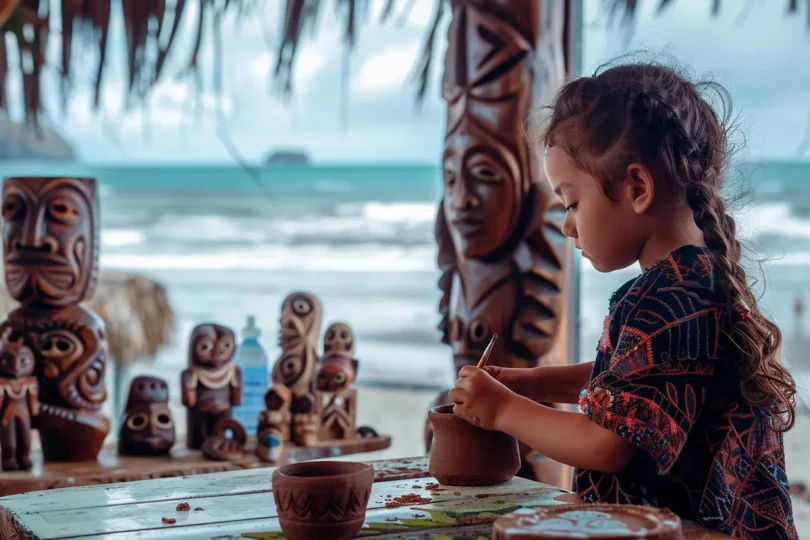
- Learn about Māori crafts such as weaving and carving
Northland
Northland is where the Māori story begins in Aotearoa. It is home to some of the earliest Polynesian settlements and key historical landmarks.
Highlights include:
- The Bay of Islands, rich in both Māori and colonial history
- Waitangi Treaty Grounds, where New Zealand’s founding document was signed
- Opportunities to engage with local iwi-led tours
East Coast and Hawke’s Bay
Regions like Gisborne and Hawke’s Bay offer more off-the-beaten-path experiences. These areas are deeply connected to Māori heritage and provide opportunities to engage with local communities in a more intimate setting.
South Island: Rich Traditions Beyond the North
While the South Island has a smaller Māori population, its cultural significance is just as important. The iwi of the South Island, particularly Ngāi Tahu, have strong connections to the land and its natural features.
Queenstown and Otago
Queenstown is often associated with adventure tourism, but it also offers cultural experiences that highlight Māori legends tied to the surrounding mountains and lakes.
Christchurch and Canterbury
Christchurch provides access to cultural centres and guided experiences that explore Ngāi Tahu history and modern Māori identity.
Fiordland and Te Anau
Fiordland National Park is not only a natural wonder but also a culturally significant landscape. Many of the fjords and mountains have Māori names and stories that add depth to the experience.
Must-Visit Marae and Cultural Centres
A marae is a sacred meeting ground and the heart of Māori community life. Visiting a marae is one of the most authentic ways to experience Māori culture, but it must be done respectfully and often as part of an organised visit.
Key cultural centres across New Zealand include:
- Te Puia in Rotorua
- New Zealand Māori Arts and Crafts Institute
- Waitangi Treaty Grounds in Northland
These centres provide structured experiences that include storytelling, performances, and educational exhibits.
If you are planning your itinerary, curated resources like this New Zealand travel guide can help identify culturally significant stops along your route.
Traditional Māori Performances and Experiences
One of the most memorable aspects of Māori culture is its performance traditions. These are not simply entertainment. They are expressions of identity, history, and connection.
Kapa Haka
Kapa haka combines song, dance, and chanting. It often includes the haka, a powerful posture dance that conveys strength and unity.
Hāngī
A traditional method of cooking food underground using heated stones. It is both a culinary and cultural experience, often shared in a communal setting.
Storytelling and Legends
Many guided tours incorporate Māori mythology, explaining the origins of landscapes and natural phenomena through ancestral stories.
Māori Festivals and Events
Timing your road trip around cultural events can significantly enhance your experience.
Matariki
Matariki marks the Māori New Year and is celebrated with festivals, performances, and community gatherings across the country. It typically occurs in winter and is one of the most meaningful times to experience Māori culture.
Regional Festivals
Various iwi host local events throughout the year, including cultural showcases, food festivals, and arts celebrations. These events provide a more community-focused experience compared to larger tourist attractions.
Planning Your Road Trip Itinerary
A well-planned itinerary ensures you can balance cultural experiences with New Zealand’s famous landscapes.
Suggested Route
- Start in Auckland
- Travel north to Northland for historical context
- Head south to Rotorua for immersive cultural experiences
- Continue through Taupō and the central North Island
- Fly or ferry to the South Island
- Explore Christchurch, Queenstown, and Fiordland
Tips for Planning
- Allow extra time for cultural experiences. These are not rushed activities
- Book cultural tours in advance, especially in peak seasons
- Be respectful of tikanga, or cultural protocols
- Combine scenic drives with cultural stops to maximise your journey
Conclusion
A road trip through New Zealand offers far more than stunning scenery. It provides a pathway into the living culture of the Māori people. By travelling across regions, engaging with local communities, and participating in authentic experiences, visitors can gain a deeper appreciation for the country’s heritage.
From the geothermal landscapes of Rotorua to the fjords of the South Island, Māori culture adds meaning to every destination. With careful planning and an open mind, your journey can become both a scenic adventure and a cultural discovery.
Frequently Asked Questions
What are the best regions to experience Māori culture in New Zealand?
The North Island offers the most comprehensive experiences, particularly in Rotorua, Northland, and the East Coast. The South Island also provides valuable insights, especially through Ngāi Tahu-led experiences in areas like Christchurch and Queenstown.
Are there any special events or festivals to plan around?
Yes. Matariki is the most significant cultural celebration and takes place during winter. There are also regional festivals and cultural events throughout the year that showcase Māori traditions, food, and performance.
Can I combine scenic road trips with cultural experiences?
Absolutely. In fact, this is one of the best ways to explore New Zealand. Many cultural sites are located in areas of natural beauty, allowing you to experience both the landscape and its cultural significance in a single trip.