If you love beaches as much as I do, then the Azores Islands are a destination you simply can’t miss. Nestled in the middle of the Atlantic Ocean, these Portuguese islands are a hidden gem for beach lovers.
With dramatic volcanic landscapes, natural hot spring pools, and crystal-clear waters, the Azores offer a coastal experience unlike anywhere else in the world.
At first glance, the Azores may remind you of the Hawaiian Islands, with their lush greenery and volcanic cliffs. But when it comes to the beaches, the Azores tell a very different story.
Instead of endless stretches of golden sand, you’ll find rugged coastlines, volcanic rock formations, and unique natural pools that set these islands apart. Let’s dive into some of the best Azores beaches and beach towns you absolutely must visit.
1. Mosteiros Beach – Where Sunsets Steal the Show

Mosteiros, located on the west coast of São Miguel, is a beach straight out of a postcard. What makes it truly iconic are the two massive rock formations rising majestically from the ocean. This spot is world-famous for its sunsets, where fiery skies reflect over the waves, creating a magical scene you’ll never forget.
The town of Mosteiros itself is a charming old fishing village. Take a walk along the rocky shore and you might even spot Portuguese man-o-wars washed up by the tide. Above the beach, a couple of quaint cafés offer perfect views of the ocean—an ideal place to sip coffee while watching the waves crash.
2. Ponta da Ferraria – Hot Springs Meet the Ocean

Imagine swimming in warm waters while waves from the Atlantic crash around you. That’s exactly what you’ll find at Ponta da Ferraria, one of the most unique coastal experiences in the Azores. Here, geothermal hot spring waters mix with the sea, creating a natural hot tub in the ocean itself.
The best time to visit is at low tide, when the geothermal heat is at its strongest. Not only is this place stunning with its volcanic rock formations, but it’s also a piece of living geology that reminds you of the islands’ volcanic origins.
3. Santo António and Poços de São Vicente – Natural Pools to Explore
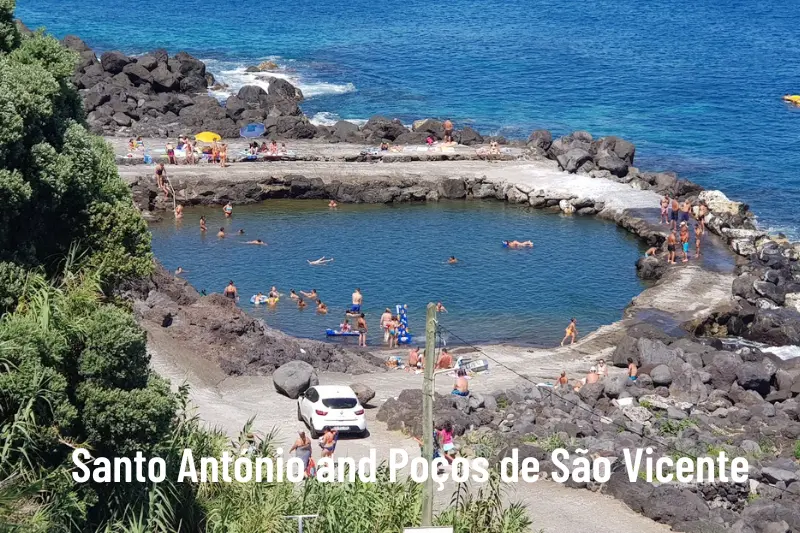
São Miguel is dotted with natural swimming pools, and two favorites are Santo António and Poços de São Vicente. These pools are formed by volcanic rock, giving swimmers a sheltered, safe place to enjoy the ocean.
Fun fact: one of the pools was once part of a whaling factory, making it both a natural and historical site to explore.
4. Santa Barbara Beach – A Surfer’s Paradise
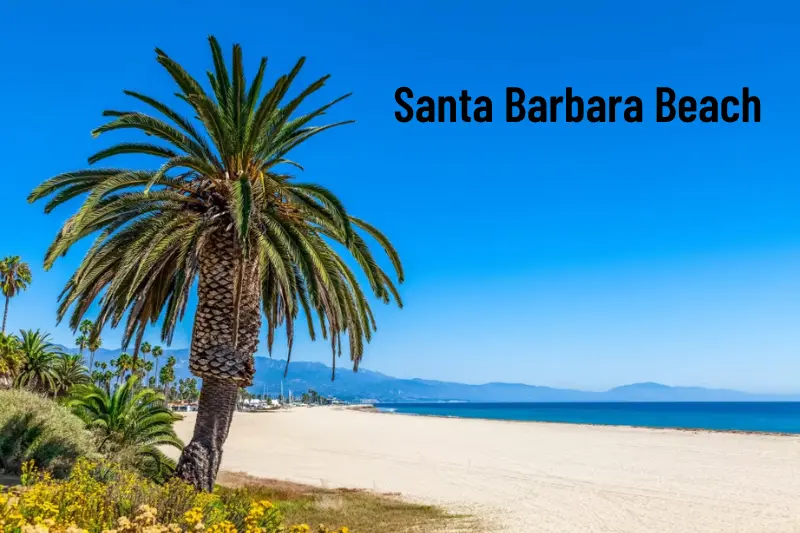
If you’re looking for a sandy stretch, Santa Barbara Beach on São Miguel is your best bet. Stretching nearly a mile long, it’s the biggest sandy beach on the island. Surfers flock here for its powerful waves, while swimmers enjoy the wide shoreline.
What makes Santa Barbara even better is its lively atmosphere. The boardwalk is home to several cafés, making it easy to grab a drink or snack after a swim. Whether you want to surf, swim, or simply relax, Santa Barbara offers that perfect blend of adventure and leisure.
You may also like to read these posts:
Help Me Pack for My Trip to Jaipur Next Week: Ultimate Guide
Split Croatia 2025 Travel Guide – What to Know Before You Go
Sapa Vietnam Budget Guide 2025 | Travel Tips & Itinerary
5. Praia de Água de Alto – Calm Waters & Family Vibes (São Miguel)
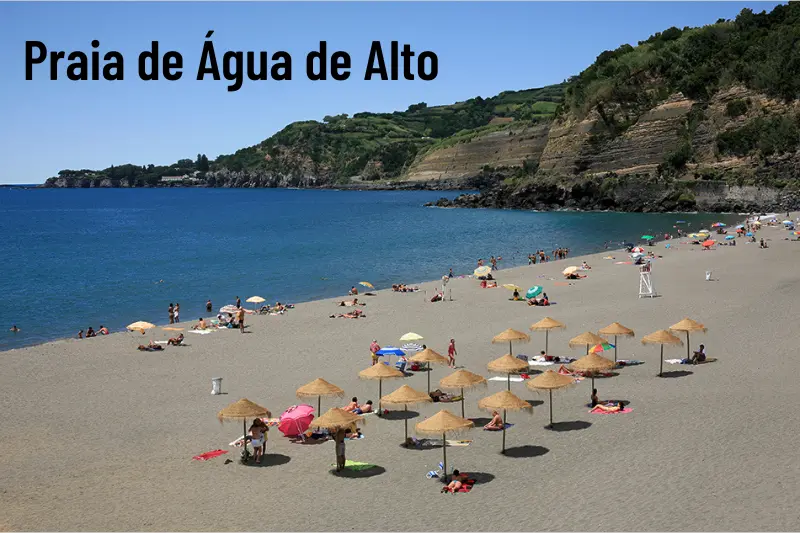
If you’re visiting São Miguel and want a beach that balances relaxation, safety, and accessibility, then Praia de Água de Alto is a top choice. Located along the island’s southern coastline, this wide sandy beach is known for its gentle waves and shallow entry, making it especially popular with families and travelers who prefer calmer waters.
During the summer months, lifeguards are on duty, adding an extra sense of safety for swimmers. The beach is equipped with basic facilities like showers and restrooms, and nearby you’ll find small cafés and restaurants serving fresh seafood and traditional Azorean dishes.
It’s also a great spot for an evening stroll—the sunsets here paint the sky in warm tones, reflecting beautifully on the water. Whether you’re swimming, picnicking, or just watching the kids play in the sand, Água de Alto is one of the most family-friendly and welcoming beaches in the Azores.
6. Praia Formosa – White Sand Surprise (Santa Maria)
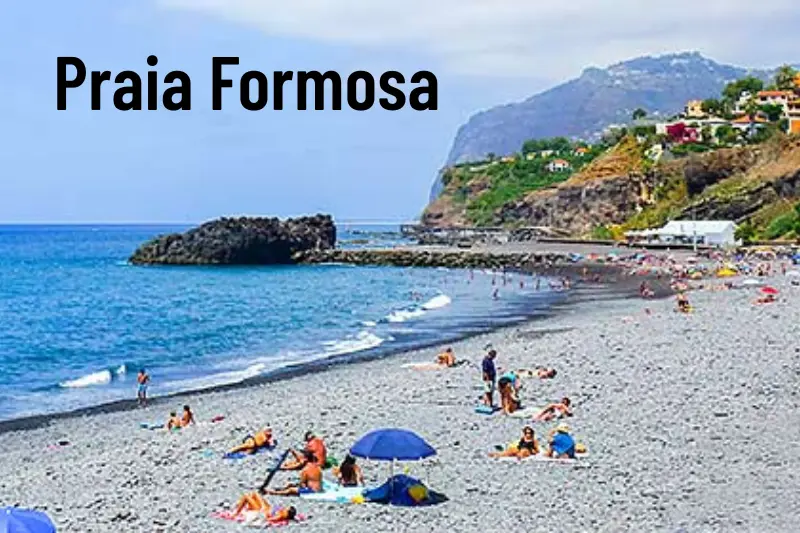
When you picture Azores beaches, dark volcanic sand probably comes to mind. That’s why Praia Formosa, on Santa Maria Island, feels like such a delightful surprise. Instead of black sand, you’ll find a long stretch of golden-white sand, making this one of the most unique and photogenic beaches in the entire archipelago.
Its wide, open shoreline and calm waters make it ideal for long beach walks, sunbathing, and swimming. Families love it for its easy access and friendly atmosphere, while adventurers can try water sports like paddleboarding or kayaking.
But Praia Formosa is more than just a relaxing beach. Every August, it becomes the vibrant stage for the Maré de Agosto music festival, one of the biggest cultural events in the Azores. Thousands of locals and visitors gather for live performances against the backdrop of the Atlantic Ocean, turning the beach into a lively celebration of music, culture, and island spirit.
If you’re looking for a beach that combines natural beauty with a touch of Azorean culture, Praia Formosa is an unforgettable stop.
7. Praia de Porto Pim – History Meets Beauty (Faial)
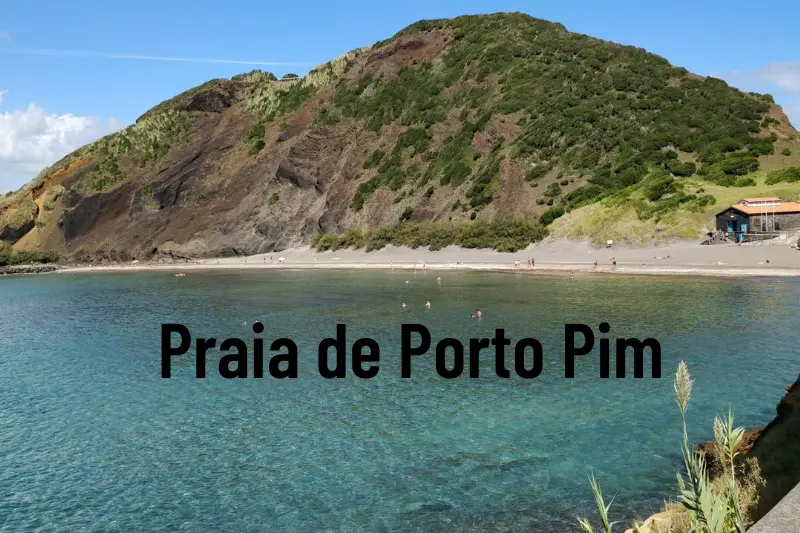
On the island of Faial, just steps away from the charming town of Horta, you’ll find Praia de Porto Pim, a beach that blends natural beauty with rich history. Tucked inside a sheltered bay, its calm waters are perfect for swimming, kayaking, and paddleboarding. The fine, light sand and tranquil atmosphere make it a favorite among both locals and tourists.
But what makes Porto Pim especially fascinating is its historical significance. In the past, the bay played an important role in the Azorean whaling industry, and nearby you can still visit the Whaling Museum, which offers insight into this era of the islands’ history.
Today, the vibe is much more peaceful. The beach is a great spot to relax while enjoying sweeping views of Mount Pico, which rises across the channel. For those who like mixing beach time with culture and exploration, Porto Pim offers the perfect balance of relaxation, scenery, and history.
When to Visit the Azores Beaches
The Atlantic waters around the Azores are on the cooler side, with summer water temperatures rising to around 70°F (21°C). If you’re planning to swim, summer (June to September) is the best time to visit. For the rest of the year, a wetsuit is recommended if you want to brave the chilly water.
The great news? Unlike other popular beach destinations, the Azores are rarely overcrowded, meaning you can enjoy a peaceful escape surrounded by nature.
Tips for Visiting Azores Beaches
1. Wear water shoes – Many beaches are rocky with volcanic terrain. Water shoes protect your feet from sharp edges and make exploring tidal pools easier.
2. Check tides – Timing matters, especially at Ponta da Ferraria. Visit at low tide to enjoy the warm volcanic waters mixing with the ocean safely.
3. Bring layers – Weather in the Azores can change quickly. Even in summer, ocean breezes can feel cool, so carry a light jacket or hoodie.
4. Respect nature – The Azores are known for their pristine beauty. Take your trash, avoid stepping on fragile rock pools, and help preserve the environment.
Why the Azores Beaches Are Worth It
The Azores aren’t your typical “tropical paradise” beaches. Instead, they offer something far more unique—a blend of volcanic beauty, rugged coastlines, natural hot springs, and local charm. From watching unforgettable sunsets in Mosteiros to soaking in the hot waters of Ponta da Ferraria, every beach in the Azores feels like a new discovery.
So if you’re dreaming of a destination where adventure meets relaxation, the Azores beaches are calling. Pack your swimsuit, hiking shoes, and sense of wonder—you’re about to experience one of the most captivating coastal destinations on Earth.
FAQs
Q1: Are Azores beaches sandy or rocky?
Most beaches are volcanic and rocky, but you’ll also find sandy ones like Santa Barbara (São Miguel) and Praia Formosa (Santa Maria).
Q2: Can you swim at the beaches in the Azores?
Yes! Many beaches and natural pools are perfect for swimming, especially in summer when water temperatures reach around 70°F (21°C).
Q3: What’s the best time to visit Azores beaches?
The best time is June to September for warm weather, calmer seas, and the best swimming conditions.
Q4: Are Azores beaches crowded?
Not at all. Unlike popular beach destinations, most Azores beaches remain peaceful and uncrowded, even in summer.
Q5: Do I need special gear for visiting?
Water shoes are highly recommended for volcanic rocks, and a light jacket helps with the cool ocean breeze.