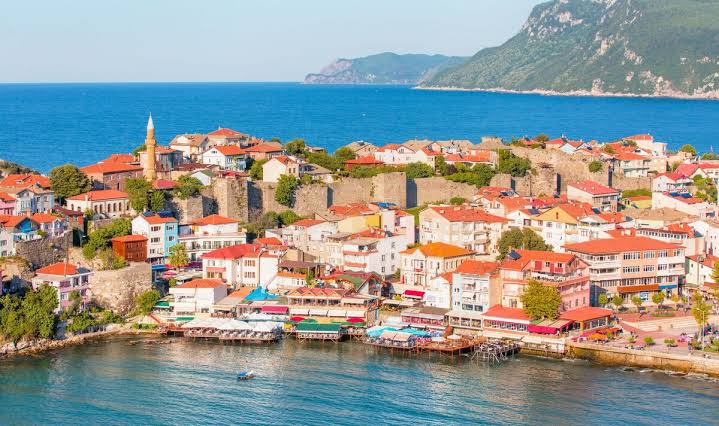

For years, Turkey’s Mediterranean coast was known primarily as a holiday destination. Visitors arrived for the beaches, spent a week in an all-inclusive resort and flew home with sunburn and a camera full of coastal photos. Over the past few years, however, one seaside town has quietly developed a different reputation. Instead of attracting only tourists, Alanya has become a place where thousands of foreigners are choosing to stay for months or even permanently. Remote workers, retirees, young families and entrepreneurs are all arriving for different reasons, yet many end up giving remarkably similar explanations for why they decided to remain.
Unlike many Mediterranean destinations where rising prices have gradually made everyday life less accessible, Alanya still offers something that has become increasingly difficult to find. The city combines a warm climate, modern infrastructure, an established international community and a cost of living that remains noticeably lower than in many parts of Western Europe. More than 30,000–40,000 foreign residents from over 120 countries now live in Alanya, transforming what was once viewed mainly as a resort into one of Turkey’s most international coastal cities.
One of the first decisions newcomers face is choosing where to live, and that decision often shapes their experience far more than expected. Every part of the city has its own atmosphere, with some neighbourhoods designed around walkability, others offering quieter residential streets and others attracting large international communities. Choosing the right areas where expats live in Alanya often determines everything from daily commuting to the type of neighbours, cafés and services that become part of everyday life.
A Lifestyle That Feels Sustainable
Many cities are exciting during the first few weeks but gradually become exhausting once daily routines replace the excitement of discovering somewhere new. Long commutes, expensive housing and the constant pressure of urban life slowly become more noticeable than the attractions that initially made the destination appealing. Alanya tends to create the opposite effect. The longer people stay, the more they begin to appreciate the ordinary parts of life rather than the tourist attractions.
One reason is that daily expenses remain relatively manageable despite the inflation that Turkey has experienced in recent years. Rent, groceries and eating at local restaurants are generally still less expensive than in many popular European coastal destinations, allowing residents to enjoy everyday life without constantly calculating every purchase. Estimates suggest that a comfortable lifestyle remains achievable on a budget that would be difficult to maintain in many comparable Mediterranean cities.
The difference is not simply financial. When everyday expenses become less stressful, people naturally spend more time outside, meet friends more often and become more willing to explore the city instead of staying home to save money. Those small behavioural changes gradually reshape how daily life feels.
The Climate Changes Daily Habits
Weather influences far more than holiday plans. It quietly affects routines, physical activity and even social life.
With more than 300 sunny days each year and mild winters, Alanya allows outdoor life to continue throughout most of the year. Instead of organising occasional weekend trips to the beach, residents often finish work with an evening walk along the waterfront, have coffee outside in January or simply choose to walk instead of driving whenever possible.
That rhythm creates a lifestyle that feels noticeably different from cities where cold winters naturally push people indoors for several months. Rather than treating sunshine as a seasonal luxury, it becomes part of ordinary life.
Remote Work Has Changed Everything
Perhaps the biggest reason Alanya has gained attention internationally has little to do with Turkey itself.
It has to do with remote work.
Over the last few years, millions of professionals have discovered that their income no longer depends on living near a company office. Once location became flexible, people started asking a different question. Instead of looking for the city with the highest salaries, many began searching for the place where they actually wanted to spend their everyday lives.
Alanya fits surprisingly well into that calculation.
Reliable internet, modern apartments, international supermarkets, healthcare services and easy access to Antalya Airport make it practical for people whose work exists almost entirely online. At the same time, the Mediterranean coastline provides the lifestyle many previously associated only with short holidays. The growth of remote work globally has significantly expanded the number of professionals able to choose where they live rather than where their employer is located.
An Established International Community Makes Relocation Easier
Moving abroad is rarely difficult because of the weather or language alone.
The bigger challenge is rebuilding everyday life.
Finding a reliable doctor, understanding residency procedures, choosing internet providers or simply making new friends often determines whether people remain in a new country after the initial excitement fades.
This is where Alanya has a significant advantage over many smaller coastal towns.
Decades of international migration have created an established foreign community with residents from across Europe, Russia, Central Asia and beyond. English is commonly spoken in many businesses that work with international clients, and newcomers usually discover that someone else has already experienced the same administrative challenges they are trying to solve.
That existing network reduces much of the uncertainty that often accompanies relocation.
Tourism Never Completely Takes Over
Many Mediterranean destinations eventually become almost entirely dependent on tourism, leaving local life feeling secondary during the summer months.
Alanya manages to maintain a better balance.
Although tourism remains one of the city’s largest industries, everyday life continues outside the main holiday areas. Local markets operate throughout the year, neighbourhood bakeries open before sunrise, schools, hospitals and public services continue serving a permanent population rather than temporary visitors, and residential districts remain active long after the summer season ends.
For many international residents, that balance is precisely what makes the city attractive. It still feels like a functioning Turkish city rather than a purpose-built resort.
It Is Not Without Challenges
No relocation destination is perfect, and Alanya is no exception.
Turkey’s inflation has affected prices, visa and residence permit regulations occasionally change, summers can become extremely hot and some administrative processes still require patience. Anyone considering relocation should research current residency requirements before making long-term plans because immigration rules continue to evolve.
These realities do not necessarily discourage people from moving, but they are part of making an informed decision rather than idealising life abroad.
A Different Definition of Quality of Life
Perhaps the most interesting thing about Alanya is that its appeal rarely depends on one spectacular feature.
People do not relocate simply because of one famous beach or historic landmark.
Instead, they stay because ordinary days begin to feel easier. Walking to buy groceries instead of sitting in traffic, finishing work with a view of the Mediterranean, spending more time outdoors throughout the year and living in a community where daily expenses remain relatively manageable all contribute to a quieter but more sustainable lifestyle.
That may explain why Alanya has quietly become one of Turkey’s most popular destinations for international residents. It is not trying to compete with Europe’s largest cities or the world’s most famous beach resorts. Instead, it offers something many people have gradually started valuing even more: the possibility of building an everyday life that feels balanced long after the holiday ends.