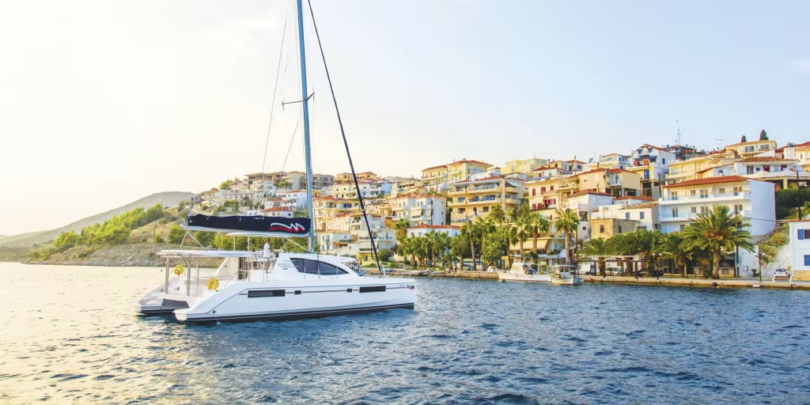

Greece has quietly become one of the most rewarding destinations for anyone who loves the sea. With thousands of islands scattered across the Aegean and Ionian, the country offers a kind of freedom that land-based travel simply cannot match. Chartering a yacht here means waking up in a new cove every morning, swimming in water so clear you can count the pebbles below, and docking at harbor towns that still feel untouched by mass tourism. For travelers who have grown tired of crowded resorts and fixed itineraries, sailing through Greek waters offers something rare: the ability to shape each day around the weather, the mood, and whatever hidden bay catches your eye.
One of the biggest draws of sailing in Greece is the sheer variety packed into a single itinerary. The Cyclades offer whitewashed villages and dramatic cliffs, the Ionian islands bring lush greenery and calmer waters, and lesser-known spots like the Sporades give travelers a quieter, more local experience. Because the islands sit so close together, it is possible to visit three or four distinct destinations in a single week without ever feeling rushed. A single charter can take you from the volcanic cliffs of Santorini to the quiet fishing harbors of Naxos, then on to the party energy of Mykonos, all without repacking a single bag.
This kind of flexibility is something package tours simply cannot offer. On land, travelers are tied to bus schedules, hotel check-in times, and fixed group itineraries. On a yacht, the itinerary bends around you. If a particular bay turns out to be more beautiful than expected, you can stay another night. If the wind shifts and a different island becomes more appealing, the route can change on the spot. This freedom is part of why so many first-time charter guests end up booking a longer trip the following year.
Choosing the Right Route
Greece is large enough that no single trip can cover everything, which is why choosing the right region matters more than most first-time sailors realize. The Cyclades are ideal for travelers who want iconic scenery and vibrant nightlife, with islands like Paros and Ios offering a mix of quiet beaches and lively evenings. The Ionian Sea, on the other hand, suits those looking for calmer waters and greener landscapes, with Corfu and Paxos being popular starting points. The Dodecanese, closer to Turkey, blend Greek and Ottoman influences and are less crowded than the more famous island groups.
For travelers who want the experience done right, working with a specialist makes a real difference. A well-planned greece yacht charter takes care of route planning, crew arrangements, and local knowledge that most first-time sailors would not know to ask for, from which bays get too crowded by midday to which tavernas are only reachable by boat. Local operators also understand seasonal wind patterns like the meltemi, which can turn a pleasant afternoon sail into a rough crossing if the timing is wrong. Having someone with that knowledge on hand often makes the difference between a relaxing trip and a stressful one.
Life on Board
Life aboard a yacht in Greece has its own rhythm. Mornings often start with a swim right off the boat, followed by coffee on deck while the crew plans the day’s route. Afternoons might mean anchoring in a quiet cove for lunch, snorkeling near underwater caves, or simply reading in the shade of the sail. Evenings are reserved for docking in a harbor town, wandering cobblestone streets, and finding a taverna with a view of the water. This rhythm repeats itself day after day, but somehow never feels repetitive, since every island brings its own scenery, food, and character.
Crewed charters, in particular, remove much of the stress that can come with sailing. A professional skipper handles navigation and docking, while a cook or host can manage meals, meaning guests are free to enjoy the trip without worrying about logistics. For those with more sailing experience, bareboat charters offer a different kind of freedom, letting travelers plot their own course and manage the vessel themselves. Both options have their appeal, and the right choice often comes down to how much control a traveler wants over the technical side of the journey.
Food and Culture Along the Way
Food is another reason sailing suits Greece so well. Many coastal villages built their entire identity around fresh seafood and local produce, and arriving by yacht often means access to smaller, family-run restaurants that larger tour groups never reach. Dinner on a quiet harbor, with the boat rocking gently and the sun setting behind the hills, is the kind of memory that stays with people long after the trip ends. Grilled octopus, fresh tomatoes, local olive oil, and a glass of chilled white wine become part of the daily routine rather than a special occasion.
Beyond food, sailing also opens the door to smaller cultural moments that most tourists miss entirely. Fishermen mending nets at sunrise, church bells echoing across a harbor, or a local festival happening in a village square are the kind of experiences that only reveal themselves to travelers who slow down and explore beyond the main tourist strip. Because yacht travel naturally leads to smaller, less commercialized ports, these moments happen more often than they would on a typical land-based trip.
Best Time to Sail
Timing matters too. Late spring and early autumn tend to offer the best balance of warm weather, manageable winds, and fewer crowds compared to peak summer months. Sailors who plan around these shoulder seasons often get calmer seas and more relaxed island towns, without sacrificing the sunshine Greece is known for. June and September in particular strike a strong balance, offering warm enough water for swimming while avoiding the intense heat and heavier tourist traffic of July and August.
Summer remains the most popular season, and for good reason. Long days, warm water, and a lively atmosphere in towns like Mykonos and Santorini make it an exciting time to sail. However, travelers who prefer a quieter experience, or who want better rates on charters, often find shoulder season trips more rewarding overall.
Planning Ahead
A successful charter usually starts months before departure. Popular boats and experienced crews tend to book up early, especially for peak summer dates, so early planning gives travelers more choice over vessel type, itinerary, and crew. Working with a knowledgeable charter company also helps match the right boat size and style to the group, whether that means a small sailing yacht for a couple or a larger motor yacht for a group of friends celebrating a milestone trip.
Budgeting is another important part of planning. Costs vary significantly depending on the size of the yacht, whether it is crewed or bareboat, and the length of the trip, so setting a realistic budget early on helps narrow down options without last-minute surprises. Many first-time charter guests are surprised to learn that a well-planned week on the water can be more affordable than expected, especially when split among a group.
Whether it is a week-long island-hopping trip with friends or a longer, more relaxed cruise through the Ionian, a yacht charter turns Greece from a destination you visit into one you actually experience. The islands were made to be explored slowly, from the water, and that is exactly what chartering a boat allows. For anyone who has ever dreamed of waking up to the sound of waves against the hull and stepping straight into the sea, a Greek sailing trip delivers on that promise in a way few other travel experiences can.