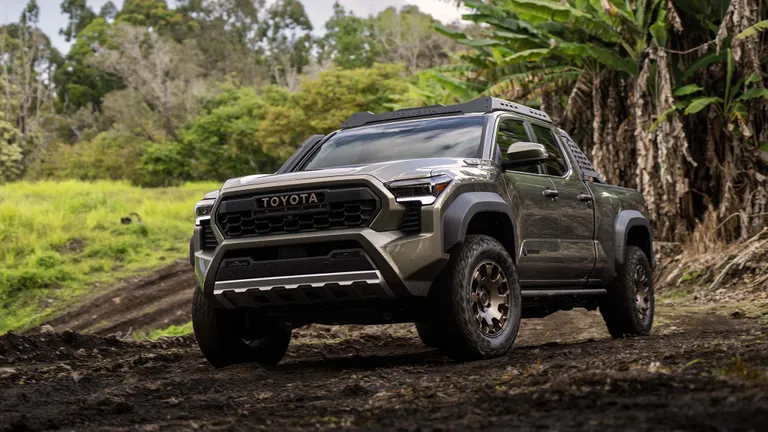

The best travel destinations often don’t have paved roads leading to them.
Some of the most rewarding places — the canyon campsites that take three hours and a rough track to reach, the backcountry fishing spots where the river is still cold and the water is still clear, the ridge viewpoints that don’t appear on any app — require a capable vehicle and a driver who has thought ahead about what that vehicle needs to handle the terrain.
Overlanding and serious off-road travel have grown significantly in the past decade for exactly this reason. People are seeking the version of outdoor experience that isn’t saturated yet, and they’re learning quickly that getting there is part of the experience.
The Truck Has to Be Ready Before Anything Else
Route planning, gear selection, campsite research — none of it matters if the truck isn’t genuinely prepared for the terrain.
This isn’t about having the most aggressively modified rig on the trail. It’s about having a vehicle that’s reliable within the terrain being tackled and equipped with the accessories that prevent small problems from becoming trip-ending ones. The truck that gets stuck three miles in because it wasn’t ready is a worse outcome than the truck that never reached a challenging trail because its owner was honest about the preparation required.
Cargo protection is the first practical priority. In a hard rain, a river crossing, or three days of varied backcountry conditions, the difference between a covered bed and an open one is the difference between functional gear and a soggy mess. That’s the problem a tonneau cover built for truck travel solves specifically — keeping gear dry, secure, and organized regardless of what the weather does over a multi-day trip. Choosing the right cover for overlanding use means prioritizing weather seal quality and durability over rough roads rather than aesthetics.
Organizing the Bed for Actual Field Use
The gap between well-prepared overlanders and everyone else often shows most clearly in how the truck bed is set up.
An unsorted bed full of loose gear creates compounding problems. Every stop where something is needed requires digging through everything else to find it. Gear shifts during transit and gets damaged. Things that should be accessible quickly aren’t. By the end of a long trail day, the disorganization that seemed manageable in the morning has become a genuine frustration.
The aftermarket offers real solutions here. A solid BackRack headache rack addresses multiple problems simultaneously — a stable mounting platform for lights and accessories, structural protection for the rear window without sacrificing visibility, and a defined system for how the rear of the truck is organized. Pair it with a deliberate approach to what goes where and the truck becomes a functional mobile base camp rather than a rolling storage problem.
The goal is knowing where everything is without looking. That matters most at the end of a long day on a remote trail when the light is fading and you need something specific immediately.
Recovery Gear Is Not Optional
No matter how capable the truck or experienced the driver, getting stuck is a real possibility in genuine off-road travel.
The question isn’t whether to carry recovery gear — it’s whether you’re carrying the right gear for the specific terrain and conditions. Traction boards for sand and mud, a quality hi-lift jack for rocky terrain, tow straps and shackles with appropriate ratings, an air compressor for tire pressure management at the trailhead and back — these aren’t paranoid additions for extreme expeditions. They’re the baseline for anyone going anywhere genuinely remote.
The gear doesn’t need to be elaborate. It needs to be appropriate to the terrain and stored where it can be accessed quickly when needed. Recovery equipment buried under three layers of other gear is barely better than not having it.
Reading Terrain Before You Commit
Capable truck and good gear aside, the most important skill in off-road travel is assessing terrain before driving it.
Walking a section that looks uncertain before committing the truck to it is one of the habits that separates experienced overlanders from ones who are still learning expensive lessons. Understanding the specific geometry of the truck — approach angle, departure angle, breakover — and how that geometry interacts with the obstacle ahead prevents the kind of contact that costs real money and, in the wrong terrain, can be genuinely dangerous.
The experienced off-road driver turns around more often than the inexperienced one. That’s not caution — it’s judgment developed over enough time in the field to know which lines are worth taking and which aren’t.
The Places That Reward the Preparation
When the truck is genuinely ready, the gear is organized, the recovery equipment is accessible, and the driver has the judgment to use it all well — the destinations that open up are meaningfully different from anything accessible by other means.
A campsite above the treeline with no other vehicles in sight. A river crossing that puts you into a valley most people never reach. A ridge road that delivers a sunrise worth driving hours to see. These aren’t hypothetical rewards. They’re real, specific places that exist and are accessible to anyone willing to do the preparation.
That preparation is what makes the difference between driving past interesting terrain and actually experiencing it.
The Mindset Behind Sustainable Adventure Travel
There’s a version of overlanding that’s about the truck build and the gear. And there’s a version that’s about using both as a vehicle — literally and figuratively — for accessing terrain and experiences that reward the effort.
The most experienced overlanders tend to focus on the second version. The truck and the gear exist in service of the destination, not the other way around. This means staying honest about capability, staying curious about new terrain, and staying willing to turn back when the conditions or the preparation don’t line up.
The destinations worth reaching are patient. They’ll be there next season if this trip isn’t the right time. Getting there eventually, prepared properly, is worth more than getting there now under the wrong conditions.