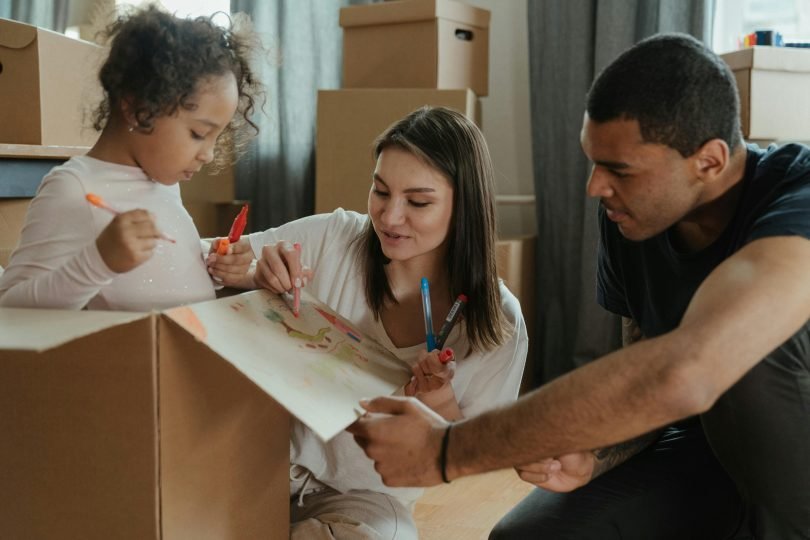

Moving is part of life, plain and simple. People pack up and head somewhere new for better jobs, lower expenses, or a fresh start. A city like Atlanta often comes up for that reason. It offers a lower cost of living compared to many major cities, along with a strong job market. Sounds like a smart move, right? Still, once kids are part of the picture, things feel different. You start thinking about their routine, their friends, their comfort. The worry is real, but it doesn’t have to take over. A move can do more than shift your address. It can teach kids how to handle change, stay flexible, and take responsibility in small ways.
With the right mindset, those moving boxes turn into lessons that stick.
Let’s talk about how to make that happen.
Lightening the Load by Hiring Professional Movers
Trying to handle a full move on your own sounds doable at first. Then reality kicks in. Packing, lifting, driving, and managing logistics all pile up fast. Add a long-distance move into the mix, especially to a place like Atlanta, where traffic congestion is no joke, and the plan starts to crack. You end up stretched thin, with no energy left for your kids.
That’s where hiring reliable Atlanta cross country movers comes in. They handle the heavy lifting, the transport, and the timing. You don’t have to worry about navigating packed highways or managing a tight schedule on your own. That space you gain is important.
Instead of juggling boxes and stress, you can stay present with your kids. You can answer their questions, keep them calm, and guide them through the change. It’s not just about convenience. It’s about freeing up your attention for what actually matters during the move.
Involving Kids in the Packing Process
Packing doesn’t have to be a chore that kids watch from the sidelines. Bring them in. Give them small tasks that fit their age. It could be packing their books, sorting toys, or labeling boxes with stickers.
When kids take part, they feel included. They see the move as something they are doing, not something happening to them. That sense of control helps ease stress. It also teaches basic organization. They start thinking about categories, what goes where, and how to keep things in order.
Keep it simple and structured. Set aside short blocks of time so they don’t get tired or frustrated. A little effort each day adds up, and it keeps the mood steady. By the end, they’ll know where their things are and feel more settled when it’s time to unpack.
Teaching Letting Go and Prioritizing
Moving forces decisions. You can’t take everything, and kids need to understand that. This is a good chance to teach them how to choose what matters most.
Sit with them and go through their belongings. Ask them to pick what they truly want to keep. Then talk about items they no longer use. Some can be donated, others recycled. Keep the tone calm, not strict. The goal is to guide, not pressure.
This process builds awareness. Kids start to see the difference between things they use and things they just hold onto. They learn to make choices based on value, not impulse. It also helps them adjust to the idea that change often comes with trade-offs.
Building Adaptability Through Change
A move brings a lot of unknowns. New home, new streets, new faces. For kids, that can feel like a lot at once. At the same time, it gives them a chance to build adaptability.
You can support that by keeping your approach steady. Talk about what’s coming next in simple terms. Show them that new situations can be handled step by step. When they see you staying calm, they pick up on that.
Encourage small wins. Let them explore a new room, meet a neighbor, or help set up their space. Each of these moments builds confidence. They begin to understand that change isn’t something to fear. It’s something they can handle, one step at a time.
Strengthening Family Bonds During the Move
A move can feel rushed, but it also brings everyone closer if you let it. You’re all working toward the same goal, just in different ways. That shared effort builds connection without forcing it.
Give each family member a role. One handles labeling, another keeps track of essentials, while someone else checks off tasks. It doesn’t have to be perfect. What matters is that everyone feels involved. Kids pick up on that sense of teamwork.
Use small moments to connect. A quick break together, a shared meal on moving day, even a short chat while packing. These moments keep things grounded. Instead of the move feeling like pressure, it starts to feel like a joint effort. That shift helps kids stay calm and engaged.
Helping Kids Say Goodbye the Right Way
Leaving familiar places isn’t easy for kids. Friends, school, favorite spots—they all carry meaning. Skipping a proper goodbye can leave them unsettled.
Give them time to close that chapter. Arrange a small get-together with friends or a simple outing to places they enjoy. Let them take photos or keep small items that remind them of where they’ve been. These actions give shape to their memories.
Talk about what they’ll miss, but also remind them that staying in touch is still possible. Calls, messages, and visits can keep those connections alive. When kids get that sense of closure, they move forward with fewer doubts weighing them down.
Encouraging Curiosity About the New Place
A new environment can feel strange at first. That’s normal. The key is to shift focus from what’s unfamiliar to what’s waiting to be explored.
Start with simple things. Walk around the neighborhood, check out nearby parks, or find a local spot to grab a snack. Keep it light. Let kids ask questions and share what they notice. That curiosity turns hesitation into interest.
You can also involve them in small decisions. Let them pick a place to visit or choose how to set up a part of the house. That involvement helps them connect with their new surroundings faster.
Moving with kids comes with its share of challenges, no doubt about it. Still, it opens up space for real learning if you handle it with care. Each step carries a chance to teach something useful. Kids learn how to adjust, how to stay involved, and how to manage their emotions in a new setting.
When they feel included and supported, they don’t just get through the transition. They come out of it stronger and more capable. That kind of growth doesn’t need a classroom. Sometimes, it starts with a few boxes and a new front door.